Somewhere over America, I became a portfolio
The meal gave this story its title. The pattern gives it its purpose. Across food, connectivity, lounge access, loyalty pricing and complaint handling, the question is the same: who owns the promise, who can explain it, and who fixes it when it breaks? A passenger cannot be the integration department for an airline.
My seat was a revenue line. My loyalty was a revenue line. My Wi-Fi was $8 of revenue line, and United had optimized all three with a jeweler's tenderness.
Then came two mystery meals. Neither came with an ingredient explanation the crew could provide. The immediate fix: give passengers and crew the same supplier-backed ingredient record. The larger fix: make service failures as accountable as charges.
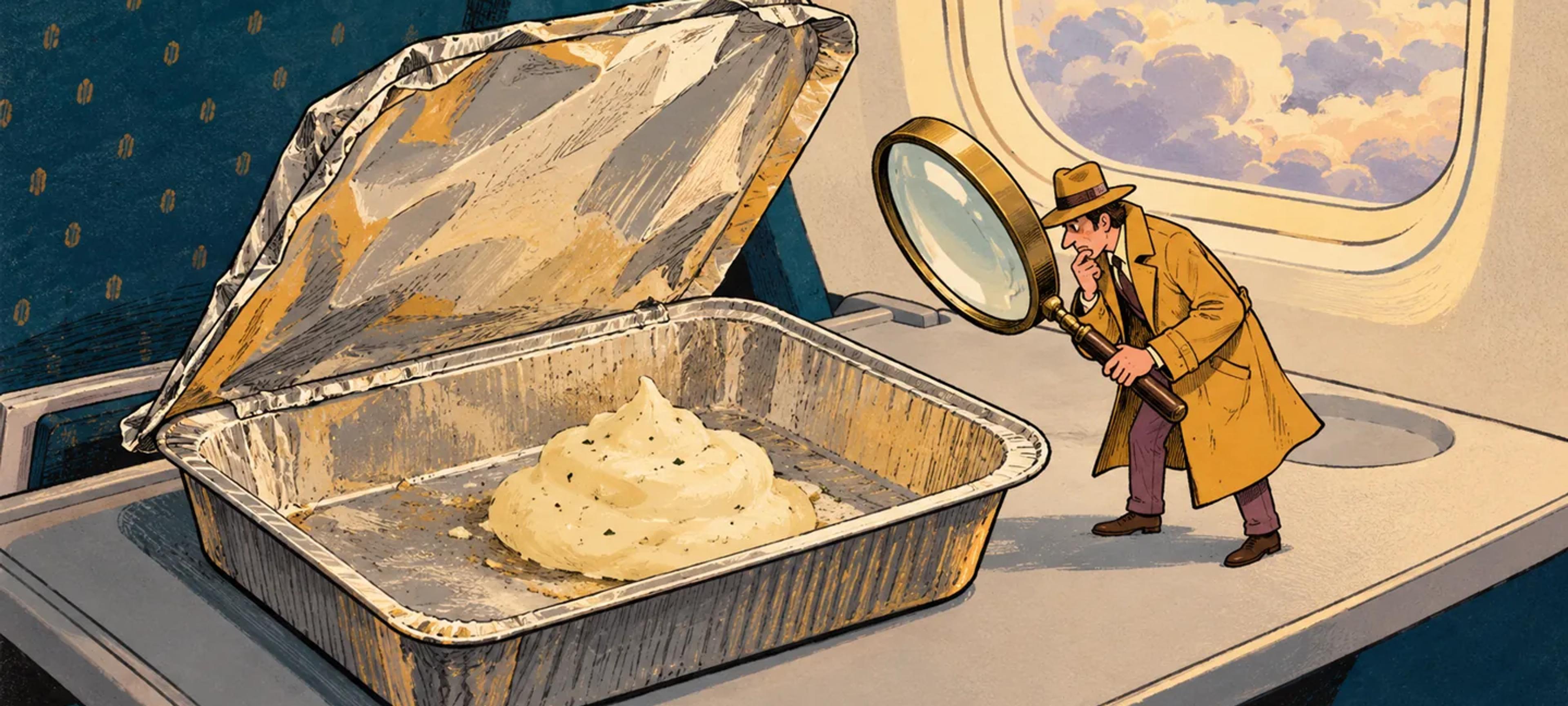
There were two mystery meals. One contained a white substance that may have been coconut yogurt. The other had something unidentified underneath lentils. Both seemed strange to me, and I could not get a clear explanation of what I was eating. Coconut yogurt is my guess, not a confirmed ingredient. ⊗
The mystery, on the tray
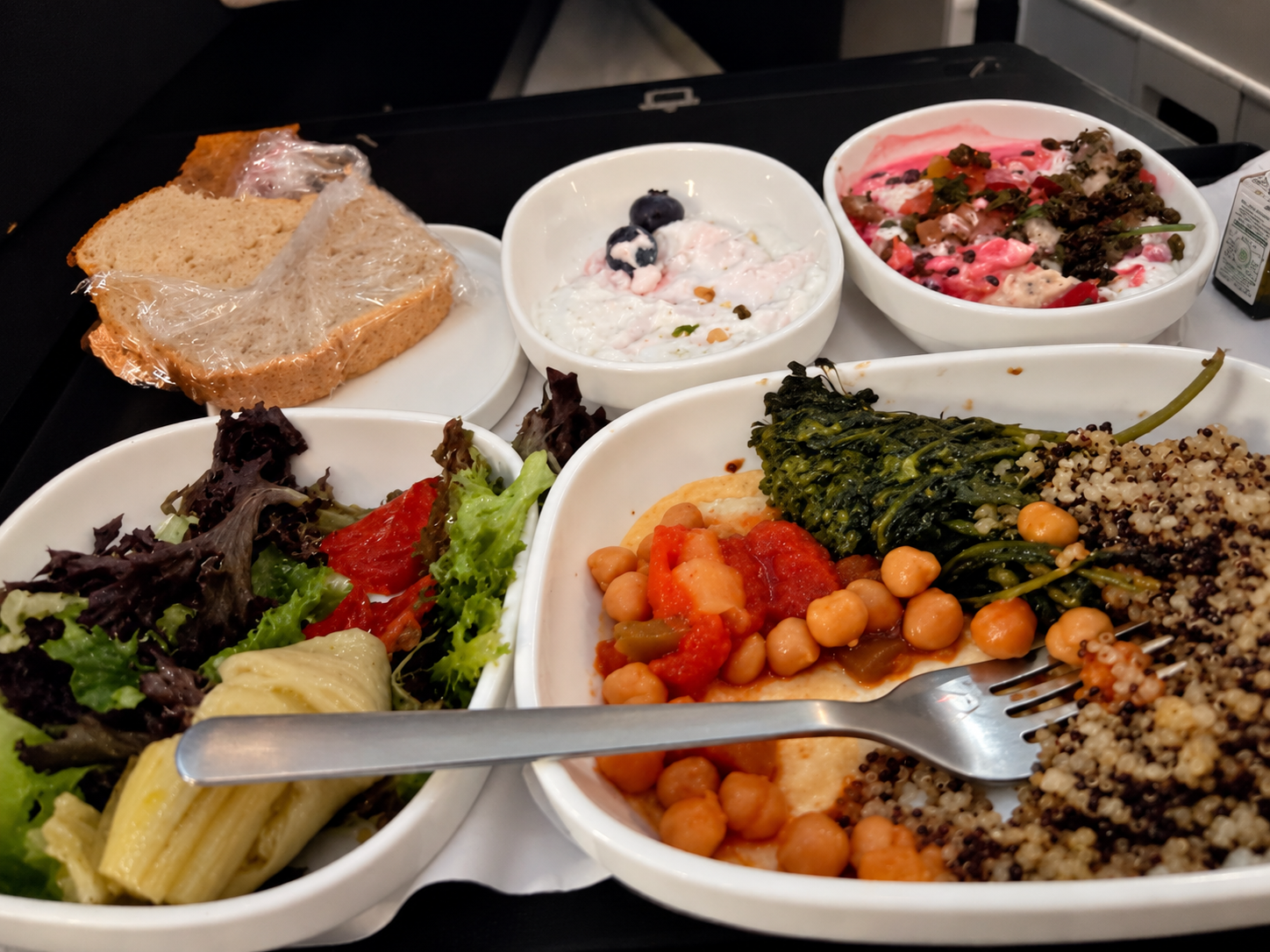
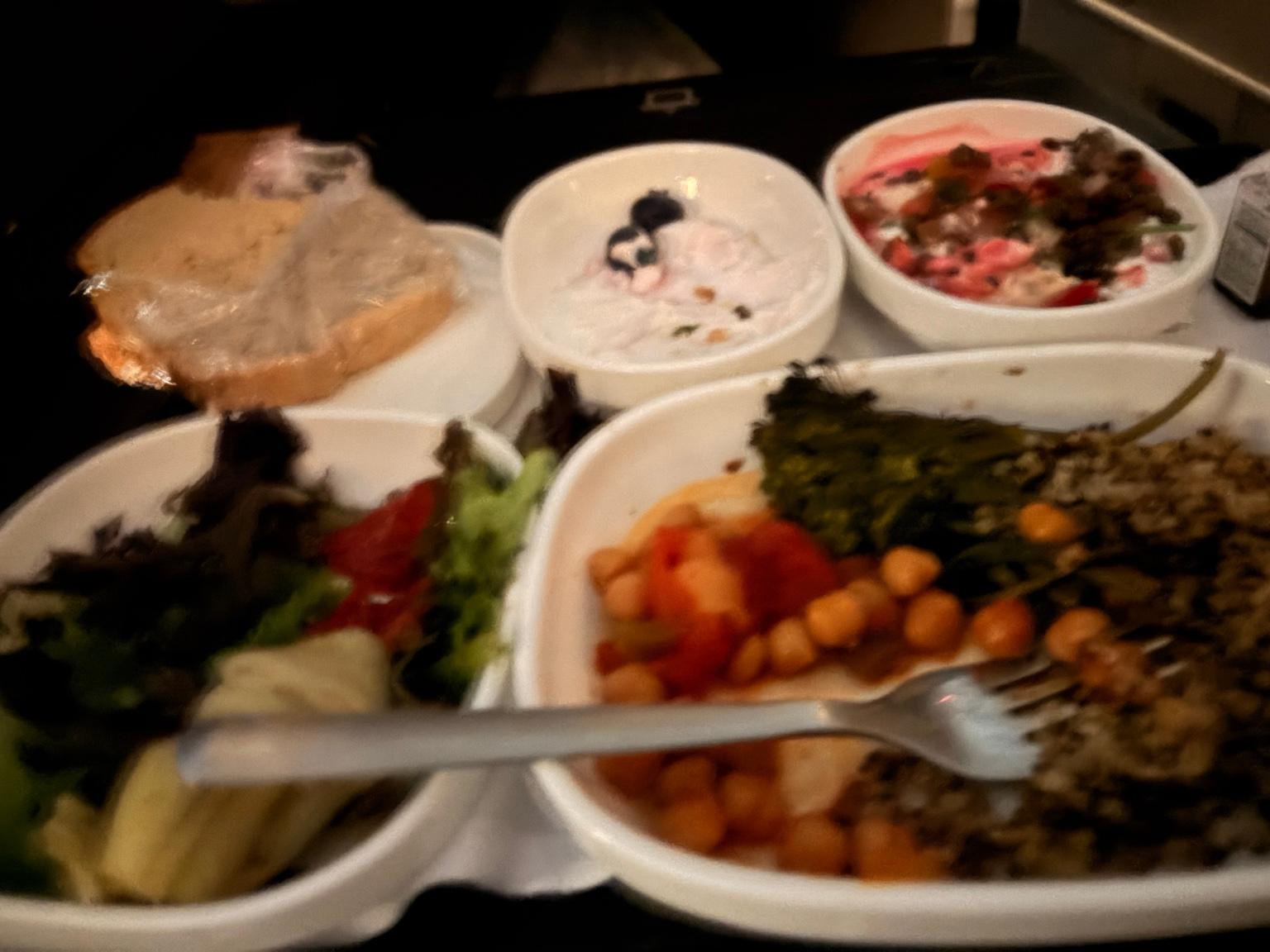
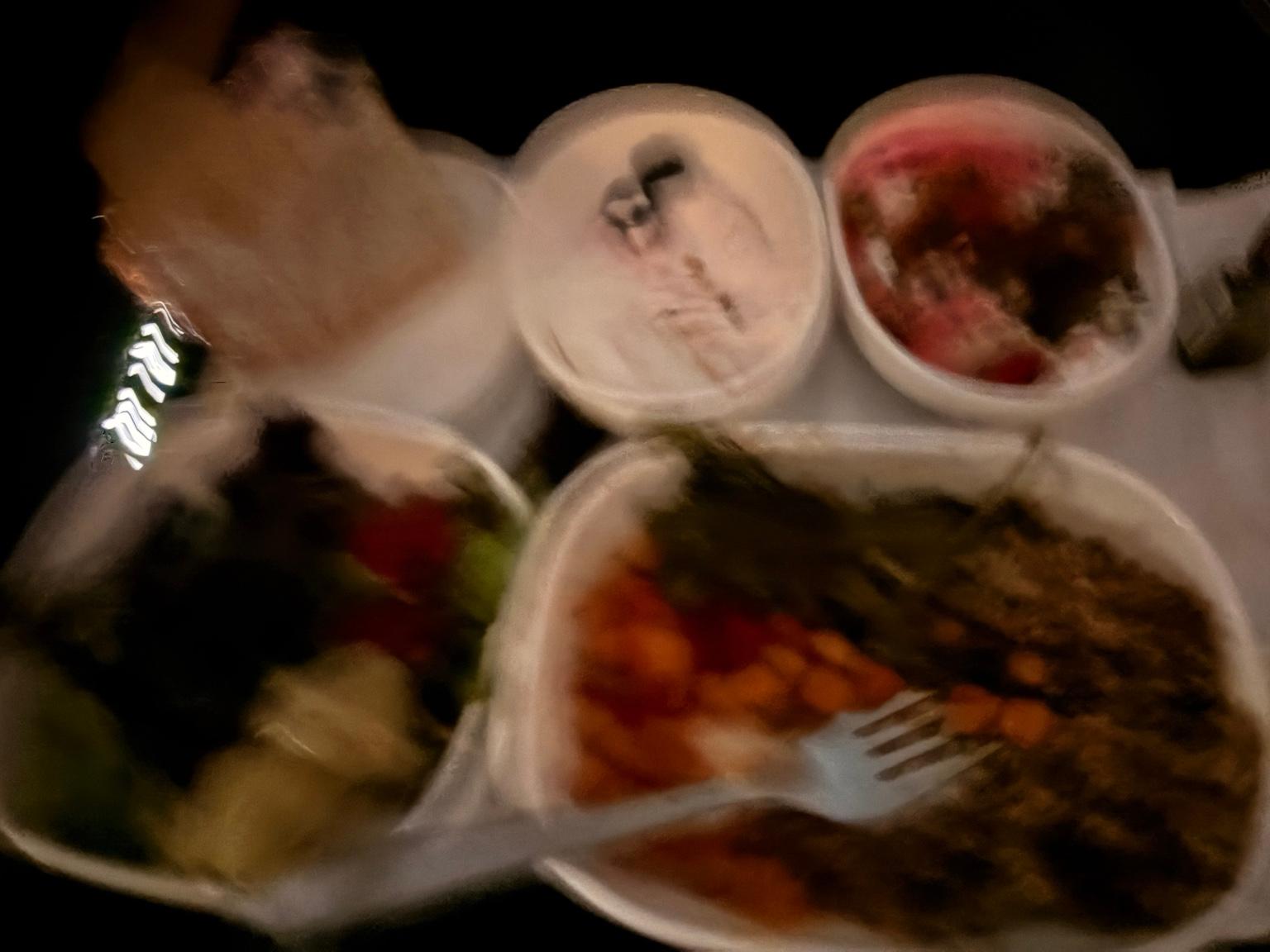
Two views of the same tray, retained for comparison.
The crew deserves the ingredient record and the authority to help. Give them both.
I have written about this before. My Spirit Airlines critique in Customer Service: The Key to Business Success challenged the economics of surprise fees and contrasted them with service at JetBlue and Virgin America. It is a historical essay, not a guide to their current policies. The question survives: how much customer trust does a company spend collecting one more dollar?
So I did what a passenger does when the flight is long and the answers are short. I walked through five rooms in the airline's house and counted what I found.
Room one: where the label outranks the kitchen
I had ordered food aligned with my diet. The unanswered ingredient questions left me unable to make an informed choice. ∅
Has an executive eaten the actual special meal served in coach, with the information available to a passenger?
I am not alleging that the meal contained dairy, that it was unsafe, or that the crew misrepresented it. I am describing an information failure. A label told me what category the meal belonged to. It did not answer what I was eating.
A little hospitality would help: welcome the passenger, identify the special meal and explain what is in it. A special meal deserves more than a special label.
The fix is ordinary: a supplier ingredient list tied to that specific meal, with allergen information and a clear explanation of cross-contact limits. Put it in the app, make it available offline, and give the crew the same information. When a passenger asks, the answer cannot depend on a flight attendant becoming a food scientist between rows 18 and 19.
Room two: $8 for a spinning wheel
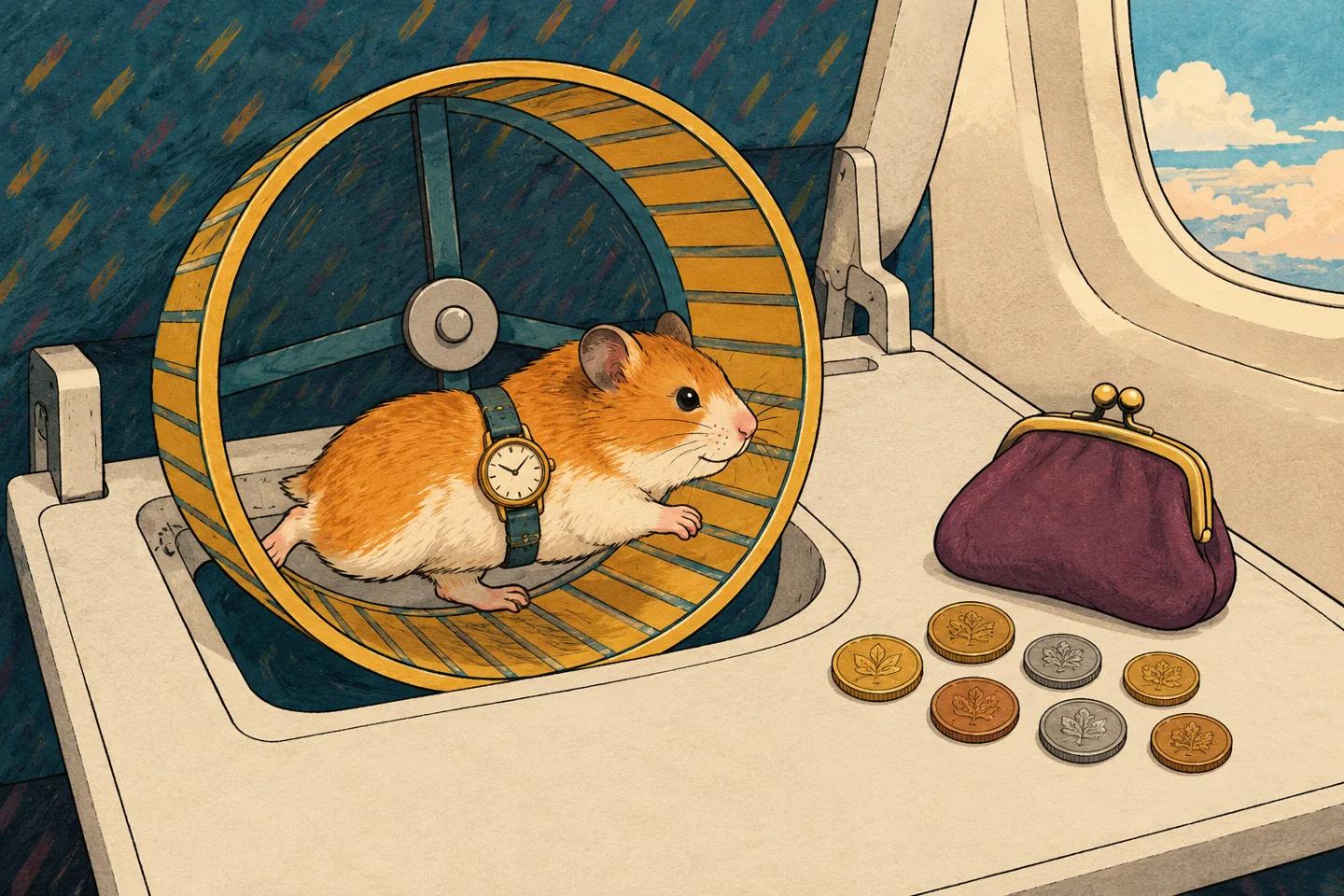
I paid $8 for connectivity. The connection then asked for fifteen more minutes of my labor before it would work, which I gave freely, because nothing says loyalty like unpaid customer service. I was a hamster who had paid for the wheel.
That is my experience on this flight, not a fleetwide performance measurement. United is investing in better connectivity. Its October 20, 2026 earnings release says Starlink was installed on more than 640 aircraft and available on about half its flights, including regional service. That is meaningful progress.
But passengers fly the aircraft they board, not the fleet described in an earnings presentation. On a paid connection, show the price and sign-in steps before purchase. Measure time to first usable connection. If the purchased service is unavailable, make the refund as easy as the payment. ⇄
Room three: the velvet rope with a price tag

I carry the United Explorer Card. At the club, I encountered another set of access rules and prices. My recollection of the quoted amounts is approximately $60 for one person and $120 for two. Those are my reported quotes, not a statement of every club's current admission policy.
A lounge has capacity limits. A card has terms. Neither fact requires a passenger to discover their intersection after walking to the door. ◉
Put a simple answer in the flight itinerary: does my Explorer card or lounge pass work at this location, for this flight, at this time, with this guest? Show the eligibility, permitted hours, total guest cost and capacity restrictions before I walk to the door. If entry cannot be guaranteed, say so plainly. The passenger and the front desk need the same answer.
The staff seemed frustrated by the rules too. That is my impression of the encounter, not a claim about every United Club employee. A policy that leaves both sides confused has created work instead of hospitality.
My proposal: give the front desk a clear capacity-based courtesy policy for Explorer cardholders. Protect access for members and other eligible travelers first. When current occupancy and forecast arrivals leave room, authorize a complimentary visit of up to one hour for a cardholder who would otherwise need to pay for admission. Make guest treatment explicit, record the visit and show the departure time. The desk can say: “Your usual access does not cover this visit, but we have room. You are welcome to stay for an hour.”
I do not believe a roughly $60-per-person charge is the right default for an Explorer cardholder when the club has demonstrable spare capacity. That is a proposed benefit, not a claim about the card’s current terms. Empty seats do not make food, staffing or lounge operations free. United can test the policy against occupancy, operating cost, member access and customer satisfaction, then publish what it learns.
Give front-desk staff the right to make a reasonable decision within clear capacity limits. A baseline courtesy policy can recognize an existing customer’s relationship with United without treating every exception as a managerial crisis. Protect eligible users, record exceptions and let staff welcome people when there is room. Give the desk a live capacity view and a plain explanation passengers can understand. A welcome with an end time beats a negotiation at the velvet rope.
Luxury begins with the absence of avoidable confusion. A cheese plate cannot compensate for a scavenger hunt.
Room four: the miles are weather now
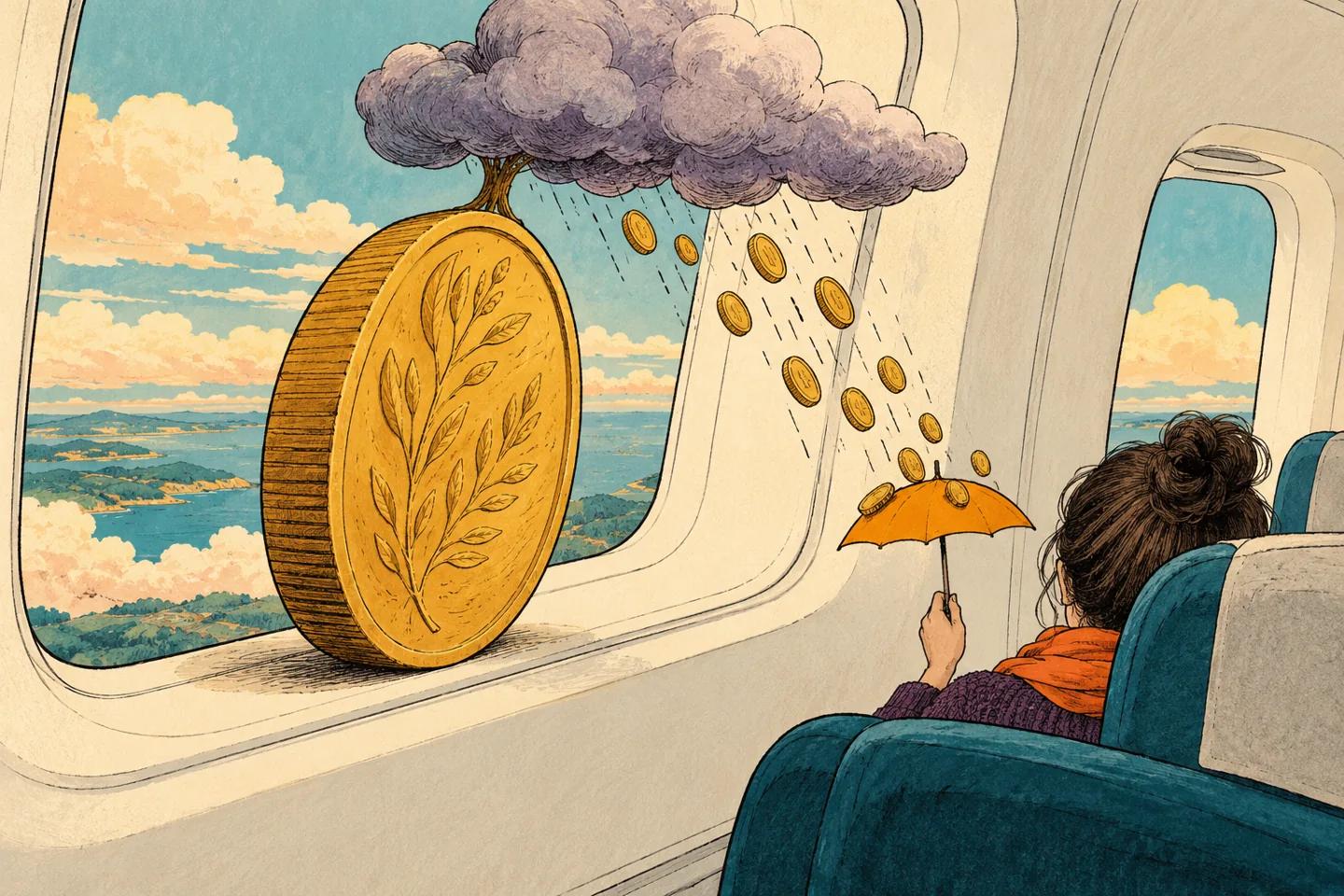
Here the mystery turns into a heist, and the loot is my own.
My recollection is that an Aspen award trip cost 15,000 miles last year. Recent quotes I saw ranged from 25,000 to 45,000. These are personal observations, not matched-date comparisons or proof of a systemwide increase. Route, timing, availability and fare conditions can change the comparison.
Still, the arithmetic describes the passenger's problem. If a comparable trip rises from 15,000 to 25,000 miles, the same balance buys 40% fewer trips. At 45,000, it buys about 67% fewer. That is a conditional illustration, not an estimate of United's overall devaluation.
A mile used to feel like a coin. Now it feels like weather. ⧖
Give members a way to understand the forecast. Show a route's recent award-price range alongside today's quote. Explain cardholder discounts and applicable restrictions on the same screen. A loyalty currency earns trust when people can understand what it buys.
Room five: the profit claim I cannot make
I asked how much of an airline's profit comes from the front of the plane. United's public consolidated results do not establish a cabin-by-cabin answer.
Borrowing a competitor's margins would not reveal United's economics. The answer needs United's data. ∑
The question for United is more useful than a speculative answer: how do you measure service quality across cabins, and which basic promises do you guarantee regardless of fare?
Knowing what is in a meal, understanding a fee, and receiving a service that was purchased are reasonable expectations in every row.
The resolution: five numbers United Airlines could publish
United sent a $150 electronic travel certificate after my complaint. I appreciate the response. A credit recognizes a bad experience. The next test is whether the next passenger encounters the same failure.
United's 2025 Form 10-K reports $4.8 billion in ancillary fees within passenger revenue. That figure is not a measure of profit, and it does not mean those fees fund a particular department. It does establish that the airline can account for billions collected through additional charges.
I am asking for equally visible accountability when the customer pays in time. ◇
Here are five concrete commitments United can test on a limited set of flights, then expand:
- Meal clarity. Tie an ingredient and allergen record to each special meal. Track the share of requests the crew can answer using that record. Keep dietary suitability and cross-contact limits explicit.
- Connection accountability. Track time to a usable Wi-Fi connection and successful refund completion. Offer a simple refund route when purchased connectivity fails.
- Club clarity. Show location-specific eligibility, guest cost and capacity caveats in the itinerary before passengers walk to the lounge.
- Loyalty transparency. Display recent award-price ranges for a route, with the conditions that affect comparison. Let members see how the value of their balance changes.
- Recovery with an owner. Give each complaint a named team, a reference number, a next-update date and a clear outcome. Ask whether the fix worked before closing the case.
What a better flight would feel like
Before boarding, my itinerary confirms the special meal request and opens the ingredient record. At the seat, the crew can identify the same meal without improvising. If it was not loaded, the airline tells me what alternatives exist and records the failure against the catering process.
The Wi-Fi portal states the charge, the available service and the refund route before payment. A failed connection leads to a short claim, not another maze. The lounge screen answers the guest question before we leave the gate.
Afterward, the complaint response names the failure and the next action. A travel certificate can accompany that answer. It cannot replace it.
That experience would feel premium even in economy. It would also give United useful operating evidence: where the handoff broke, how long recovery took, and whether the same problem returned. Revenue optimization already measures small differences with extraordinary attention. Apply that attention to the passenger's time. The opportunity is to make reliability as visible inside the company as revenue. ⟡
Start now. Within 48 hours, assign an accountable owner, retrieve the ingredient records for both meals and explain the Wi-Fi refund path. Within seven days, identify which gaps can be fixed immediately and name a flight group for the remaining tests. At 90 days, publish the baseline and results for each commitment. These are my requested deadlines, not existing United obligations.
One additional experiment: reward passengers for useful in-flight feedback. Offer a clearly described benefit for completing a short survey, regardless of whether the rating is favorable. United gets timely evidence. The passenger gets something tangible for the time. ⇄
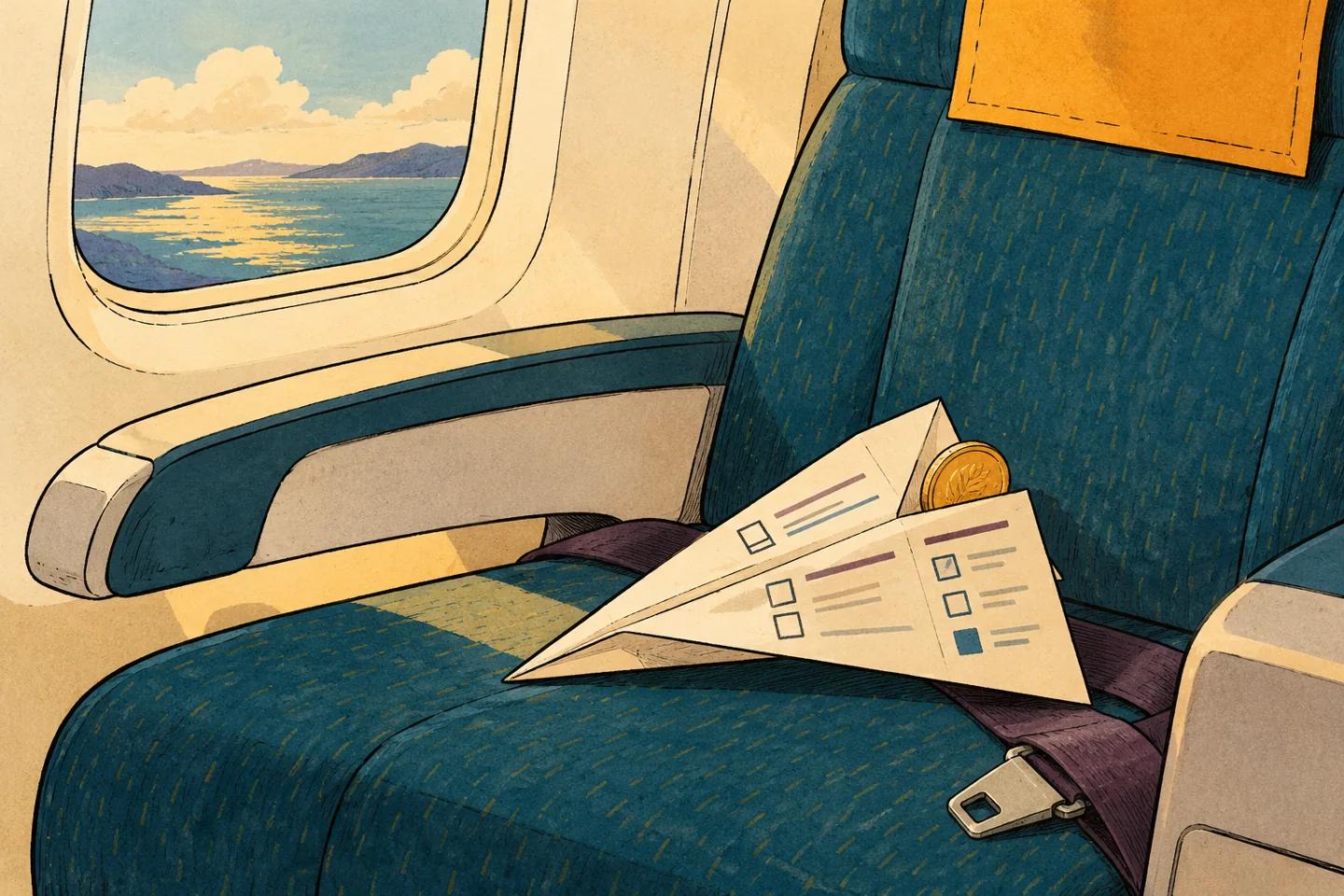
Two tickets. A little togetherness.
Traveling with a girlfriend, boyfriend or friend? Check the aircraft’s seat map for adjoining center seats in business class. On layouts designed for pairs, you can lower the divider and chat, share the journey or steal a kiss. Check the actual seats before booking: some center pairs sit closer together than others.
An open invitation to United's leadership
Fly coach. Eat the vegan meal. Read the label aloud to the crew. Then tell us what both mystery meals contained. ⟡
I’ve spent half of my life helping companies hold suppliers accountable. I founded RampRate, a B Lab certified consultancy and venture studio. As a passenger, I expect the same clarity: tell me what I’m buying, deliver what you promise, and own the fix when it fails. I am writing here in my personal capacity. ≍
To Scott Kirby, Brett Hart, Toby Enqvist, Andrew Nocella, Josh Earnest and the teams responsible for customer care, catering, digital experience and MileagePlus: identify the owner of these gaps. Tell us what is already fixed, what I have misunderstood, and what you will test next. I welcome a substantive response and documented factual corrections.
For my own service recovery, I am asking United for 100,000 MileagePlus miles. That is a goodwill request, not a claim that miles cost the airline nothing. I am also offering an hour of vegan consultancy to help make special meals easier to identify, explain and enjoy.
Did anyone mention this is a service business?
You have my attention because I am buckled in and cannot leave. Attention is a loan, not a gift, and trust is repaid in hours. ⟳ I have a lot of them up here.
If you want early releases of these essays, or a conversation about the numbers that test your own promise, join me at tonygreenberg.com.
United’s official website: united.com. Company page: United Airlines on LinkedIn.
Next week: the traveler’s playbook
Next week, I’ll turn from the failures to the practical playbook: travel best practices, apps and tools, and ways to make the journey work better. This article asks companies to own their promises. The next will give travelers more control over the experience.
Sources and reporting notes
- United 2025 Form 10-K: ancillary fee disclosure
- United October 20, 2026 earnings release: Starlink deployment
- United customer care
- United refund requests
The meal, Wi-Fi login, lounge quotes and Aspen award observations above are my account. The $150 certificate is part of my account of United’s response. The white substance may have been coconut yogurt; its identity and the component underneath the lentils remain unconfirmed. No claim about a systemwide food safety failure or cabin-level profitability is made.
Related reading by Tony Greenberg
Earlier essays reflect their original reporting periods. They provide context for this argument, rather than evidence of United’s conduct.
- Airlines: the Spirit Airlines critique, JetBlue and Virgin America
- Why Good Service Is All About Trust
- The $1,000/Hour Hold
- Hiding Fees & Tips in the Transparent Age
- The Decay of Professional Phone Calls
- The Decay of Modern Day Communication
- Clear Communication
- Lodge Bread: No Customer Service As Good as Their Bread
- Restaurants Beware of Vegans and Vegans Beware of Lying Restaurants
- The Butcher’s Daughter, the Carbon Toll, and the Cheese That Ate the Planet
- How to Alienate a Loyal Vegan
- Luz Lounge: Where Loyalty Goes to Die
- DMN8: The Most Beautiful Crooked Gym
- Fitness Fraud Trap: DMN8 Billing
- Forward Health Is a Sideway Step at Best
- What Quest Could Fix in 18 Months
- Zuck: Fix This Now & Lead AI Toward Ethical Billing
- Surfing the Worldwide Wine Club