
TonyG
Human Operating System

Human Operating System

Back to the blog
The ManifestoCulture & Communication4 min read

Validity: 83 — Highly Relevant

The Transhuman QuestionPart 4 of 4

By Tony "WhyNot" Greenberg

This post discusses the concept of a "human operating system" for technology, advocating for systems that are more adaptable to human needs and foster…

Share this essay

Before You Read

Before you read 'Human Operating System': What's the difference between a map and the territory it describes?

Reveal

Everything. And understanding that difference is the beginning of wisdom — and the end of most arguments.

Hint

Korzybski said it first.

The 5 Disciplines – Compute & The Human Operating System circa 2020

We’re making everything smarter – from our data centers to our watches. But this wonderful technology is and misused in myriads of unpredictable ways. On the one end of the spectrum, there are CIOs with access to the type of analytic power that could beat an army of chess champions and send a man to the moon. And they make multi-million dollar decisions – including which data center to buy – based on hunches and lunches — and an occasional spreadsheet.

On the other end are the 15% of Americans that don’t use the internet because they’re too poor, too afraid, or too stuck in their ways. I get freaked out if I’m offline for a day. Can you imagine never? In the misuse, column has everything from cyberbullying to phishing to privacy violations to spam – black technology that finds a weak link in our technical and human defenses and exploits it mercilessly. But we also have self-imposed and well-intentioned misuse – people who simply drown in, workaholics compulsively checking e-mail around the clock, gaming addicts who never grow up or leave mom’s basement.

Now we could say artificial intelligence is no match for natural stupidity, and that’s why technology doesn’t work for us the way we envision. I say that we just haven’t built the right technology – the human operating system. What does that mean?

  1. It means a system that’s open to everyone – with text to speech and gestural inputs for those that struggle with a keyboard as the interface; with low cost, ubiquitous access those that don’t have the money; with safe places for those who are afraid.
  2. It’s a system that interfaces you in the way that you need – an analytic back end with a spreadsheet front end if that’s what you want; an e-mail that feels like a phone call or a transcription into e-mail for visual people.
  3. It’s a system that brings together communities for sharing and innovation based on things like Team Dimension profiles – matching them by their strengths and weaknesses and smoothing the rough edges that happen when a visionary first runs into a refiner and has his dream deconstructed into the 50 ways it will fail.
  4. It’s a system where data is objective and inescapable, so you may be entitled to your opinions, but not your own facts – whether those facts are who shot first between Han or Greedo (or Russia and the Ukraine), what the uptime of your network and facility is forecast to be, or the comparative ecological footprint of a massive data center or an army of actuaries it replace
  5. It’s a system where more things become matters of shared knowledge and consensus, with less need for government or management and more collaboration between peers – a system where Valve and Gore and Semco are not the exceptions but the rule.

That’s what we could accomplish if we spent less time making people adapt to technology and truly adapted technology to work around the human operating system.

But beyond the utopia, there’s a tactical path. In our world, it starts off with ITBM (or ITFM if you’re buying from a different supplier), which makes IT and business metrics. Implement that right, and at least 3 people have a shared base of facts – the CFO has a finance-based view; the CIO a technology-based one and the business user has a performance-based one perspective. And they can for the first time talk a shared language and collaborate as peers instead of vying for superiority.

Then we add a social responsibility lens, like eBay, did with its DSE platform and relate money to emissions and other sustainability concepts. We add a reputation management system like the one we’ve built in the SPY Index, and all of a sudden you know which prospective solutions are cheap but risky or carry a premium; which providers are capable of true partnership and which ones rely on fine print gotchas; which technologies are proven and which are risky.

 We plug in real-time translation and can collaborate worldwide – and then maybe real-time interpretation so that introverts and or visionaries and refiners can communicate better. And step by step we’ll get a technology that fits us like a glove instead of a cast and combines our individual powers into Voltron instead of using them to score points against each other. That’s the big thing. That’s the human operating system.
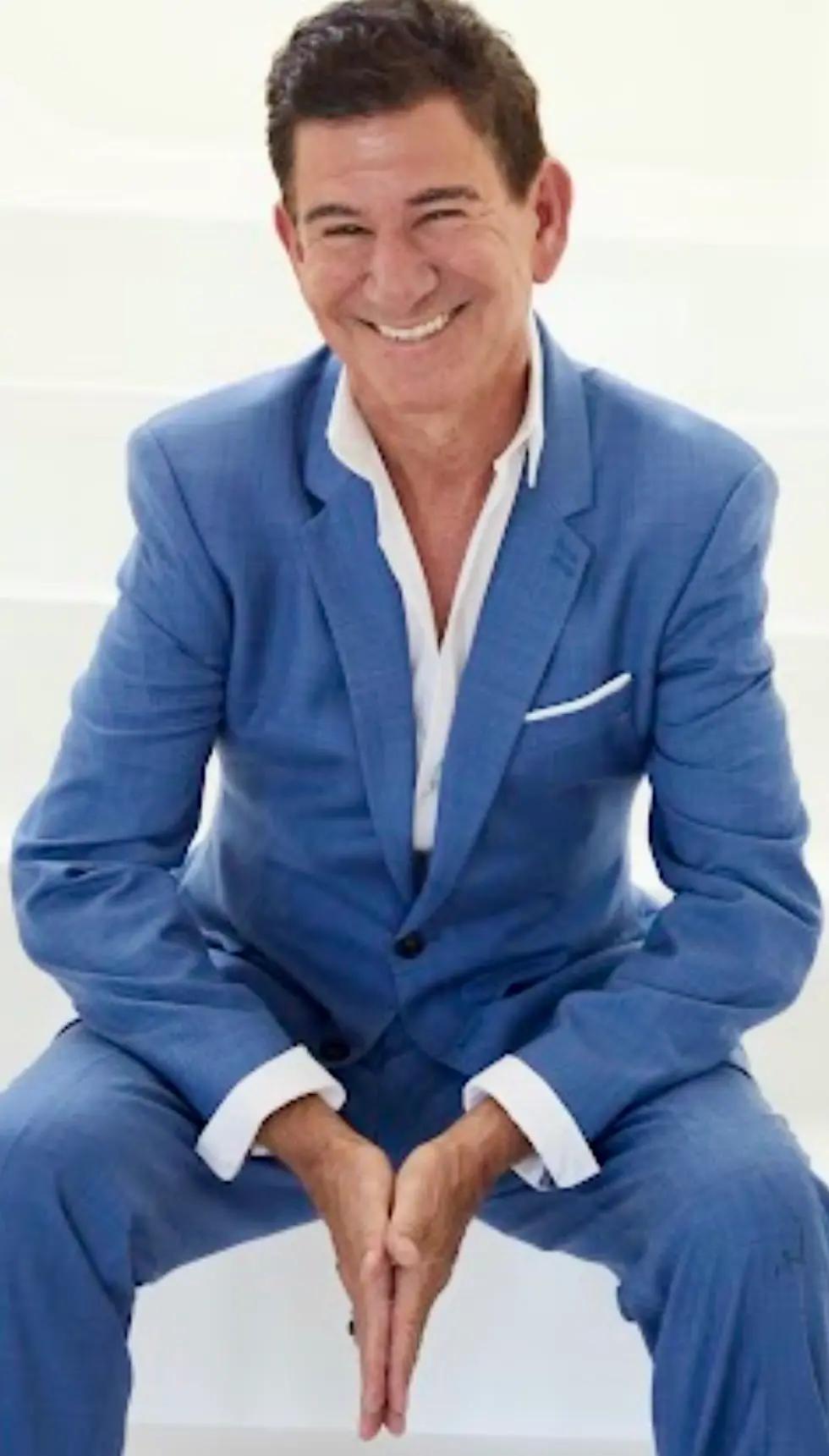

Originally posted on RampRate

The Lesson

We have mistaken raw computational power for wisdom. The solution is not just better technology, but technology that rewires our incentives to foster collaboration and reflect our highest virtues.

Next Steps

  • Explore the principles of systems thinking to better understand the hidden forces shaping our world.
  • Conduct a personal audit of your digital habits and their true impact on your focus and well-being.
  • Share this post with a friend or colleague and start a conversation about building a more humane technological future.

Since this was written

15 HX Organizations: Digital Citizenship

All Tech Is Human · 2025

This article highlights organizations working towards a better tech future, which directly supports the post's call for a more 'human operating system' that fosters collaboration and considers human values.

  • #human-computer interaction
  • #ethical technology
  • #collaborative systems
  • #digital divide
  • #technology accessibility
  • #human-centered design
More in Culture & Communication
Did this land?

Discourse

What's the verdict?

Be the first to react

Rate this thinking

Did this change how you see culture & communication?

If this resonated, try a diagnostic tool

Turn thinking into action. Assessments that clarify who you are and what you want. Five to ten minutes. Immediate insight.

Start Assessment

Consciousness-Aligned Capital

ImpactSoul tokenizes high-value assets to fund regenerative impact. Art, culture, and consciousness — backed by real value.

Explore ImpactSoul
Try This

The Tech Empathy Audit

For one day, pay close attention to the technology you use. Notice moments of frustration, confusion, or disconnection. Ask yourself: 'How could this be designed to better understand and support my needs?' This practice builds empathy for human-centered design and reveals how technology can either connect or divide.

A Riddle To Carry With You

I am the space between the click and the thought, The empathy in the circuits, dearly sought. I speak in needs, not in ones and in oughts.

Go Deeper
  • 'The Design of Everyday Things' by Don Norman
  • 'Life 3.0: Being Human in the Age of Artificial Intelligence' by Max Tegmark
  • 'Weapons of Math Destruction' by Cathy O'Neil
Discover Your Pattern

Take the TrueSelf Soul Print Assessment

A personalized map of your consciousness, values, and growth edges — built from the same frameworks that inform these essays.

Explore Assessments

The Transhuman Question — Part 4 of 4

From Kurzweil at Harvard to the service markets of the transhuman era — a deep dive into what happens when the machines get smarter than us, and whether that's the right question.

  1. 1.“Boiling the Human” H+ Summit Transcript / Harvard-Kurzweil
  2. 2.Greenberg on the same stage as Kurzweil, hah. H+ Summit: Rise of the Citizen-Scientist
  3. 3.Building a Services Market for the Transhuman Era
  4. 4.Human Operating System You are here

Originally published at tonygreenberg.com

Why this matters now

We are living through the largest transfer of wealth, power, and attention in human history. Every essay on this site is a dispatch from the front lines of that fight — naming what's extractive, building what replaces it. If this one landed, it's because the question it raises hasn't been answered yet — and probably won't be by the people currently in charge of answering it.

Tony Greenberg
Tony "WhyNot" Greenberg

Systems thinker. Impact builder. Corporate accountability crusader.

Tony Greenberg is the CEO of RampRate and founder of ImpactSoul. About Tony

“If this made you think differently — share it. If it made you angry — good.”

Book a strategy hour: Enter The GateEngagements begin with a scoping conversation

Send preparation doc: tony@impactsoul.is

Prep doc required 48hrs before session · All sessions recorded via Fireflies · 30-day review gate before Stage 2

2× MONEY-BACK GUARANTEE — Do the work. Document it. Zero results? We refund your fee, times two.

Follow @ThinkTony on X · LinkedIn · Only Time Buys Trust

Request an AI summary of this essay

Continue Reading

The thread continues.

Micro-Commitment

What's one thing you'll do differently after reading this?