THE LIVING LIBRARY
Agave Encyclopedia
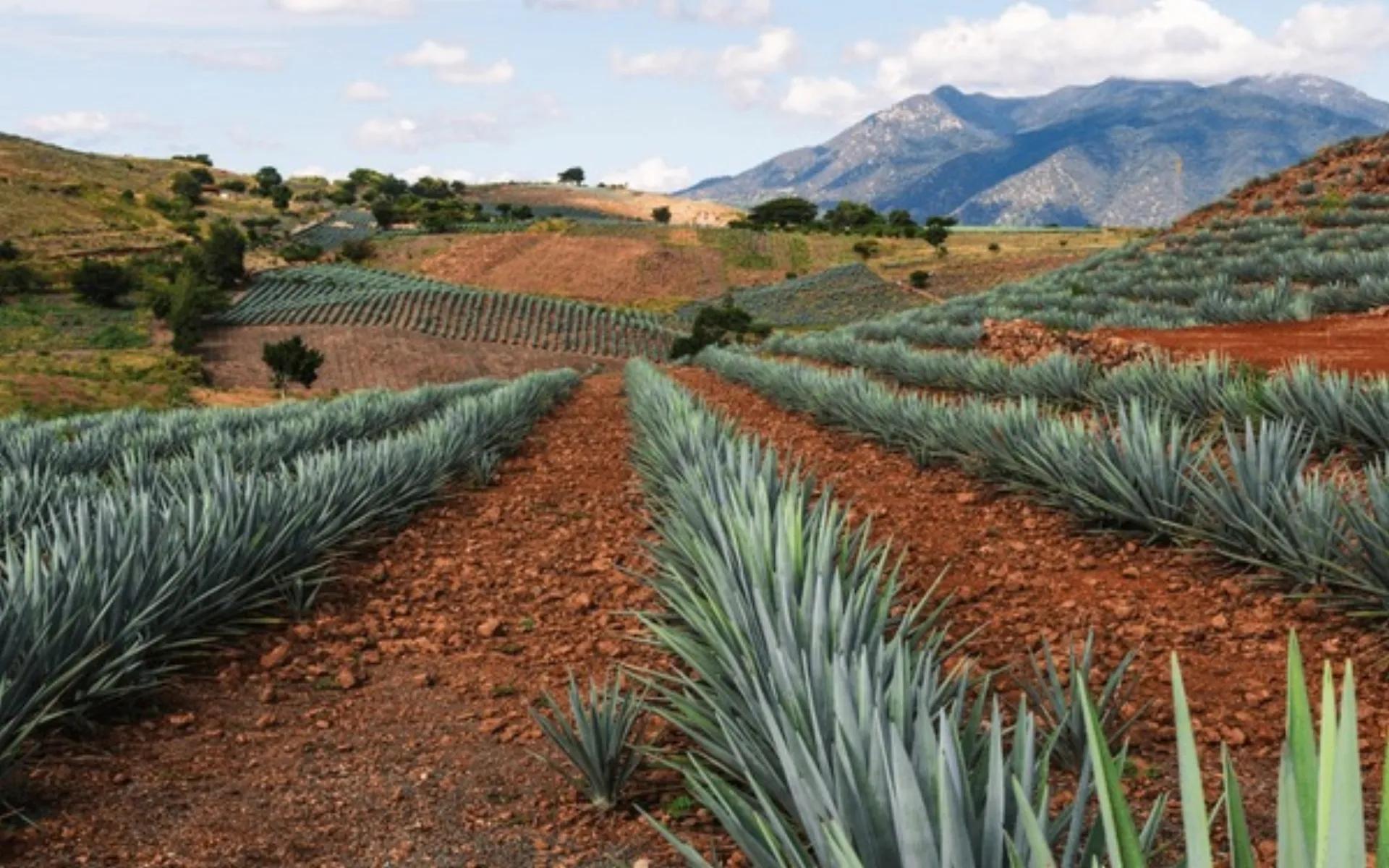
15 species. Centuries of tradition. Each plant a universe of flavor—with the best bottles to prove it.
15 varieties
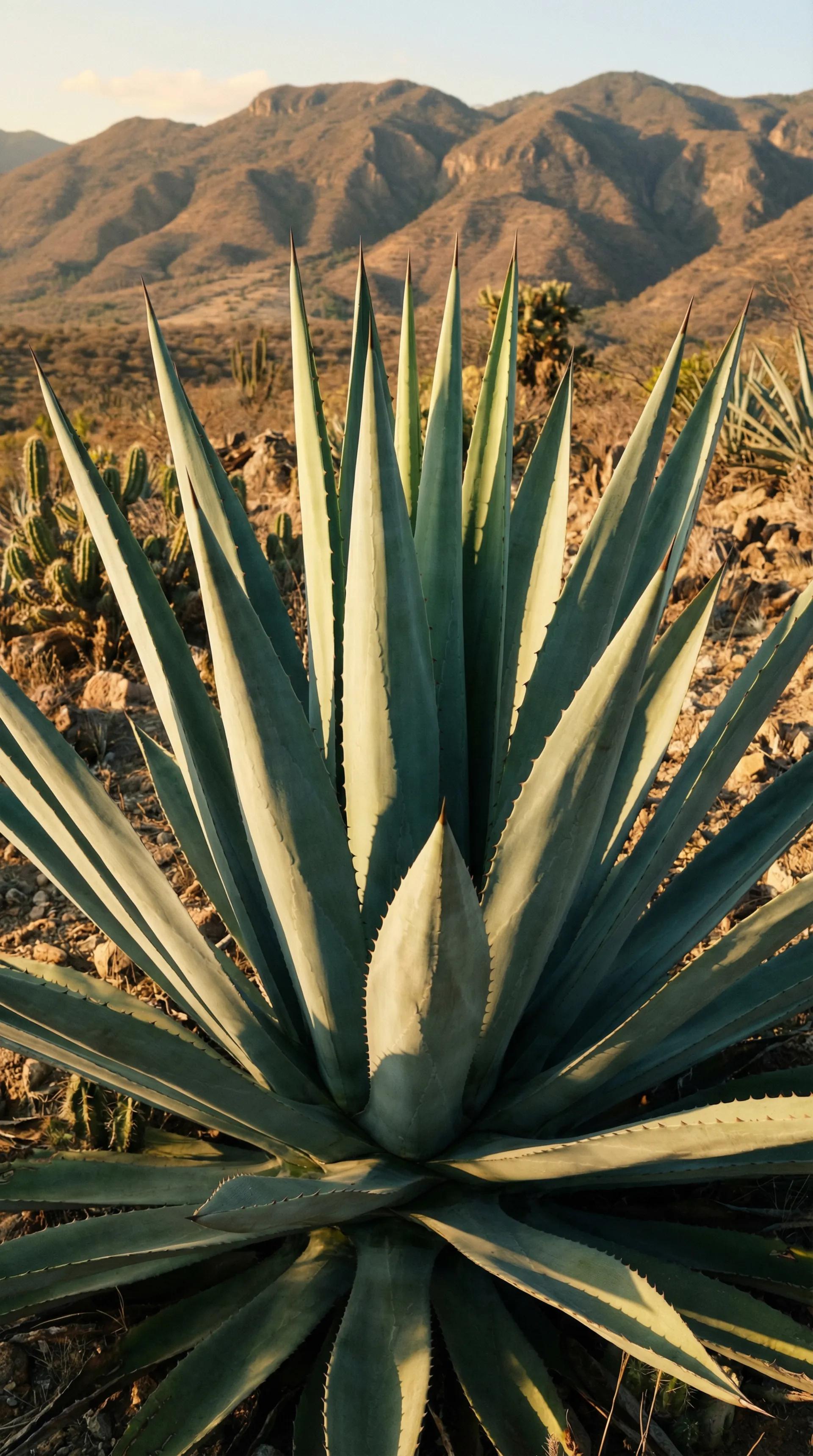
Agave angustifolia
Espadín
Easy to cultivate, fast-growing, high sugar yield. The most forgiving agave for producers.
The workhorse of mezcal. Cultivated and reliable, Espadín accounts for 90% of production. But don't dismiss it—in the hands of a master mezcalero, it reveals surprising complexity.
Top Espadín Bottles to Hunt
View all Espadín in Quadrant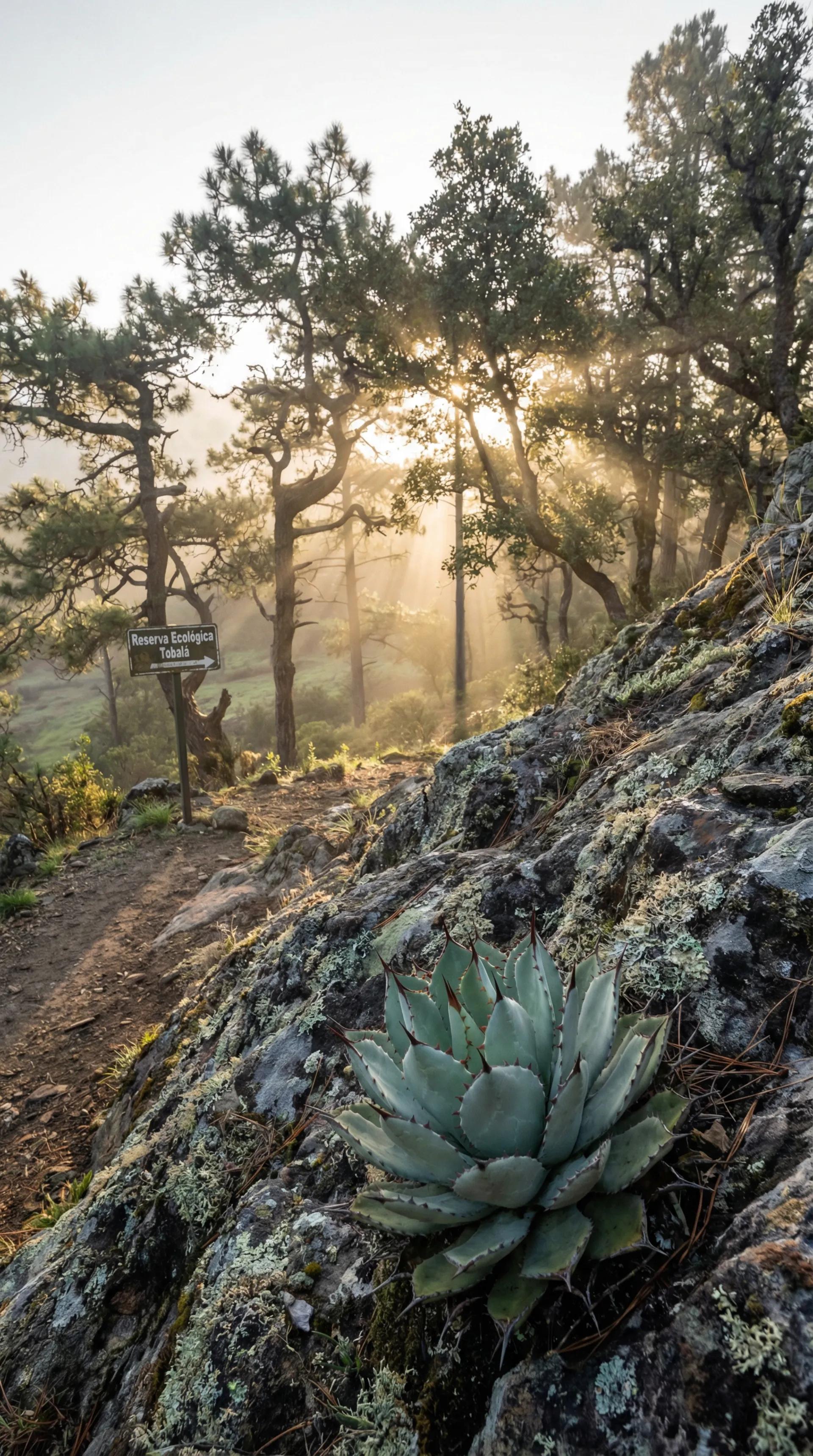
Agave potatorum
Tobalá
Wild-only harvest from remote mountain terrain. Small piñas yield little liquid. 12-15 year wait.
The 'King of Mezcals.' Wild-harvested from rocky mountainsides, Tobalá cannot be cultivated. Each plant is a gift from the land, yielding mezcal of extraordinary delicacy.
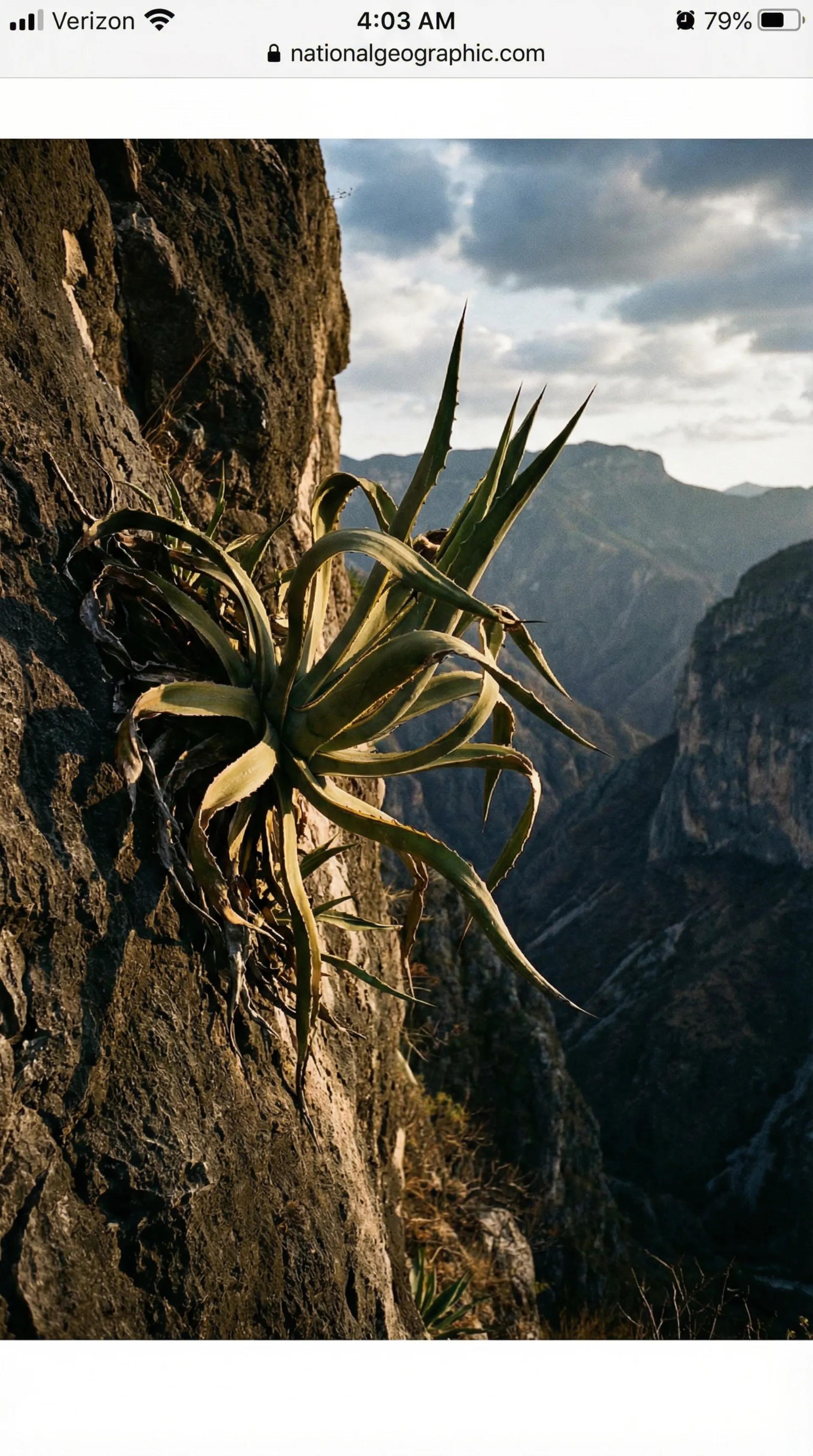
Agave marmorata
Tepeztate
Grows on sheer cliff faces requiring rope harvesting. 25-35 year maturation. Cannot be cultivated. The ultimate challenge.
The wild one. Growing on vertical cliff faces for up to 35 years, Tepeztate defies cultivation. Its mezcal is intensely vegetal, almost alien—not for beginners.
Agave karwinskii
Madrecuixe
Semi-wild, tall thin stalks make harvesting awkward. Moderate yield but requires skilled processing.
Tall and slender, Madrecuixe grows in the wild valleys of Oaxaca. Its mezcal carries bright citrus notes with an herbaceous backbone and a peppery finish.
Top Madrecuixe Bottles to Hunt
View all Madrecuixe in QuadrantAgave americana var. oaxacensis
Arroqueño
Massive 400lb piñas require multiple people to harvest. 15-25 year wait. High reward but logistically demanding.
A giant among agaves, Arroqueño can weigh over 400 pounds. Its mezcal is rich and complex, with notes of dark chocolate and roasted coffee.
Top Arroqueño Bottles to Hunt
View all Arroqueño in QuadrantAgave convallis
Jabalí
Fermentation nightmare—high failure rate. Many batches spoil. Only master mezcaleros attempt it.
The rebel. Jabalí is notoriously difficult to ferment, often producing unpredictable results. When it works, it's magic—tropical, funky, utterly unique.
Agave karwinskii
Cuixe
Semi-cultivated Karwinskii variant. Moderate difficulty with predictable results.
A variant of Karwinskii, Cuixe delivers a remarkably fresh, almost mentholated character. It's like breathing mountain air.
Top Cuixe Bottles to Hunt
View all Cuixe in QuadrantAgave rhodacantha
Mexicano
Adaptable and semi-cultivated. Moderate maturation time with reliable yields.
Versatile and expressive, Mexicano adapts to its terroir. From Oaxaca to Durango, each region produces distinctly different expressions.
Agave karwinskii
Cirial
Tall thin stalks are fragile during harvest. Long maturation in remote areas.
Another Karwinskii variant, Cirial grows tall and thin like a candle (hence the name). Its mezcal carries intense pine and resinous notes.
Agave karwinskii
Barril
Compact barrel shape makes processing easier. Semi-wild with moderate availability.
Named for its barrel-shaped piña, Barril produces surprisingly tropical mezcal with notes of ripe mango and papaya.
Top Barril Bottles to Hunt
View all Barril in QuadrantAgave americana
Coyote
Wild-only, elusive in remote terrain. Unpredictable locations require experienced foragers.
Wild and elusive like its namesake, Coyote produces rich, buttery mezcal with caramel undertones.
Top Coyote Bottles to Hunt
View all Coyote in QuadrantAgave americana var. oaxacensis
Sierra Negra
High-altitude volcanic terrain. Remote access, long maturation, limited population.
From the black mountains of Oaxaca, Sierra Negra captures the essence of volcanic soil—mineral, complex, profound.
No bottles currently in our database for this agave. Check back soon!
Agave karwinskii
Cuishe
Semi-cultivated Karwinskii. Moderate difficulty with consistent quality.
Another Karwinskii expression, Cuishe is known for its bright, citrus-forward character with herbal undertones.
Top Cuishe Bottles to Hunt
View all Cuishe in QuadrantAgave karwinskii
Largo
Tall delicate stalks, long maturation. Requires careful handling to preserve elegance.
The aristocrat of the Karwinskii family. Largo produces elegant, refined mezcal with delicate floral notes.
Agave durangensis
Cenizo
Semi-cultivated in Durango. Different terroir but reliable production methods.
The signature agave of Durango. Cenizo produces distinctly earthy, mineral-driven mezcal unlike anything from Oaxaca.
Ready to taste the difference?
Now that you know the plants, discover the bottles that honor them.