Find My
Medicine
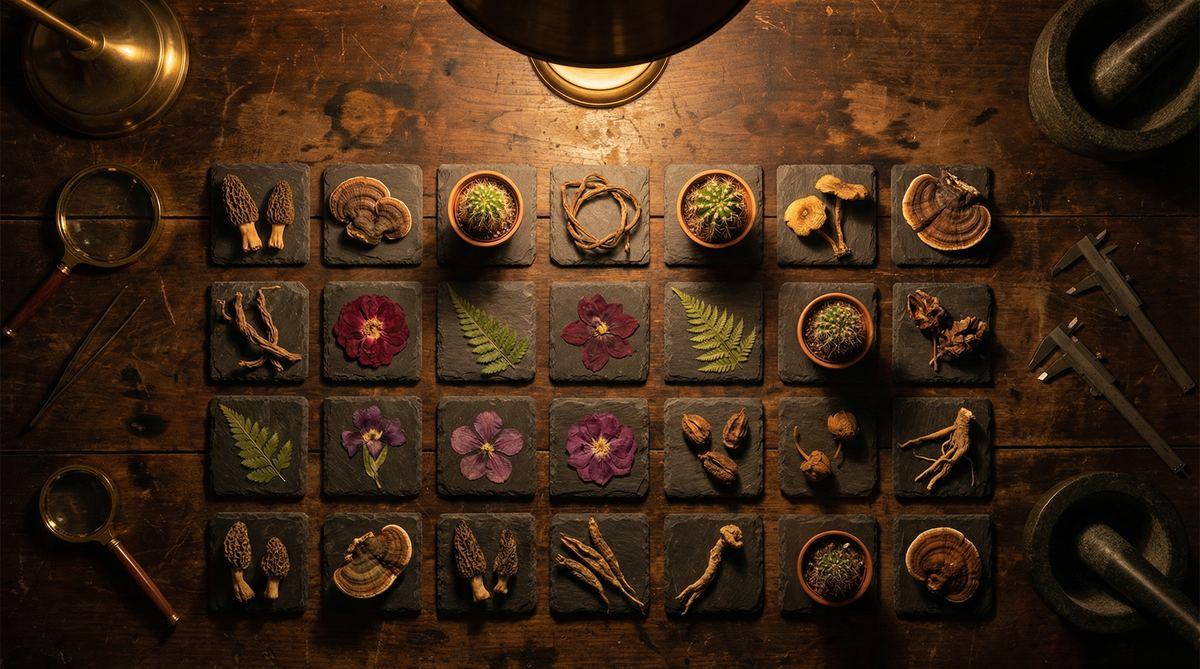
39 plant medicines. 50+ readiness questions. 6 domains. MAO-B interaction matrix. An honest map of where you stand ... before you walk into territory that rewards preparation.
39 Sacred Medicines




MAO-B Interaction Matrix
MAO-B inhibitors (selegiline, rasagiline, safinamide) are prescribed for Parkinson's disease and sometimes depression. At therapeutic doses, they selectively inhibit MAO-B ... but selectivity is dose-dependent and can be lost. This matrix maps the interaction risk with each psychedelic compound.
| Compound | Interaction | Risk |
|---|---|---|
| DMT / Ayahuasca | High potentiation risk — MAO enzymes metabolize tryptamines; inhibition makes DMT unpredictably potent | Hard Stop |
| 5-MeO-DMT | High potentiation + serotonin toxicity risk — case reports of severe agitation, hyperthermia, rhabdomyolysis | Hard Stop |
| MDMA | Hypertensive crisis, serotonin syndrome — stimulant + MAOI combination potentially fatal | Hard Stop |
| Psilocybin | Possible attenuation or potentiation; unpredictable — elevated serotonin from MAO blockade may alter response | Caution — MD Consult |
| LSD | Likely attenuated; serotonin load risk at higher doses — historical data shows MAOIs may block LSD effects | Caution — MD Consult |
| Mescaline | Insufficient clinical data — theoretical serotonergic interaction risk | Caution — Data Limited |
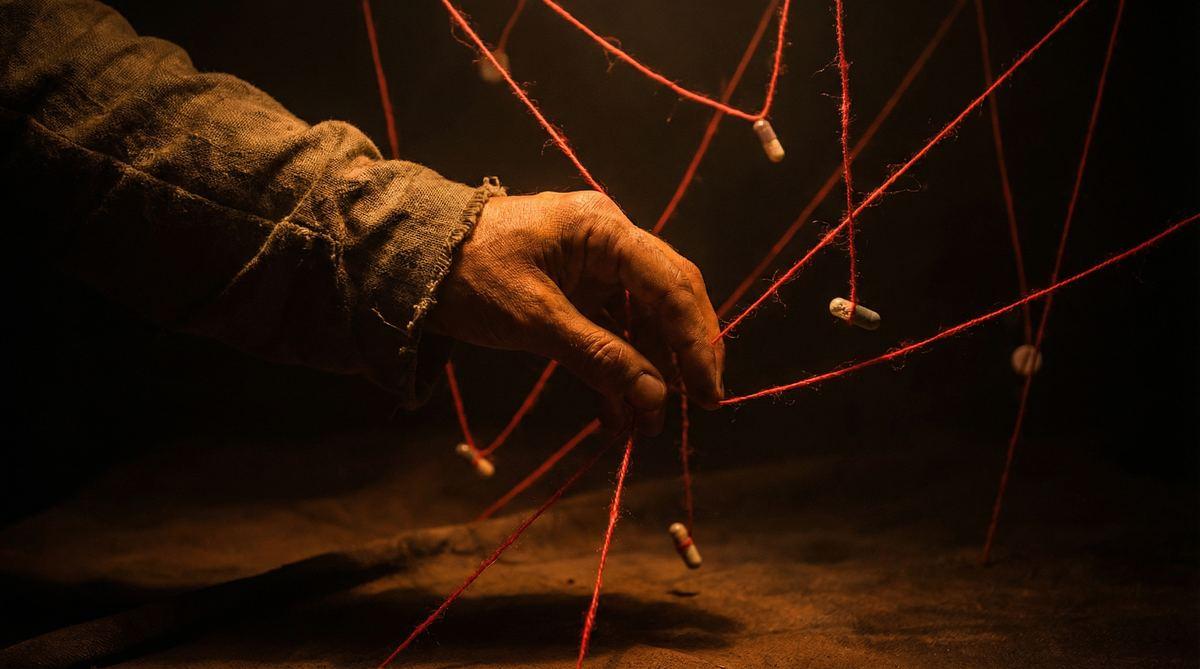
Medication Interaction Guide
If you take any of these medications, review the guidance carefully before considering any psychedelic experience. This is not exhaustive ... always consult your prescribing physician.


Readiness Index
The diode of perception tethering movement to bone accelerates the other fundamental processes of life.
Beyond hunger, what you think of as necessity or craving is automatically fulfilled in the quickening of the senses — as spirit reaches in to taste the body.
Things of the past and future, things that you touch for pleasure — the pleasure is what electrical current you offer that thing.
If it is a living body — animal or human — it knows your love as you embrace its presence with your energetic breath: the waves of awareness stemming from that which you control your body from spirit.
The sharpening of will takes place as the simplicity of life — the places where your awareness cannot escape the body to forget itself in idle pastures, but remains alive in the sensation of time slowing across the curve of heartbeat weaving breath.
You are the instrument. Every medicine, every ceremony, every facilitator conversation begins with one question: what is the current condition of the thing being played? This assessment exists to answer that — not to gatekeep, but to give you an honest map before you walk into territory that rewards preparation and punishes shortcuts.
Your ImpactSoul Score
measures what this can't.
The PRI tells you which medicine fits your biology. The ImpactSoul Score tells you where you are in your evolution ... and what kind of capital, community, and consciousness work you're actually ready for.
Get Your ImpactSoul Score