The Doorway
The person with the espresso, the nurse in the clinic, the man under the overpass — all standing at the same threshold. Not between good and bad molecules, but between unconscious reflex and conscious purpose.
We have been micro-dosing and we have been overdosing. Micro-dosing caffeine to sharpen our edge. Micro-dosing praise to stabilize our ego. Overdosing on productivity, on cocaine bravado, on meth's manic invincibility, on alcohol's numbing, on achievement. Both have been teachers.
The lesson is severe and generous: the state you seek is not the end. It is the doorway.
What you are looking for — in the darkest reach, in the most desperate swallow, in the compulsive return to the thing that harms you — is a way to matter. A way to belong. A way to be of service.
The molecule cannot give you that. It can only reveal how much you want it.
Your assignment is waiting. It has always been waiting. The substance was just the messenger.
The question was never "how do I stop using?"
The question is: "What am I here to do that makes staying present worthwhile?"
Answer that, and the rest becomes possible.
Research Foundation
[1] Nestler, E.J. et al. (2024). "Drugs of abuse hijack mesolimbic dopamine pathway processing homeostatic needs." Science, 384(6693). Mount Sinai/Rockefeller University.
[2] Maté, G. (2008). In the Realm of Hungry Ghosts: Close Encounters with Addiction. North Atlantic Books. See also: Maté, G. (2022). The Myth of Normal: Trauma, Illness, and Healing in a Toxic Culture. Avery.
[3] Lembke, A. (2021). Dopamine Nation: Finding Balance in the Age of Indulgence. Dutton. Clinical data from Stanford Addiction Medicine Dual Diagnosis Clinic.
[4] van der Kolk, B. (2014). The Body Keeps the Score: Brain, Mind, and Body in the Healing of Trauma. Viking. Trauma-sensitive yoga RCT data from the Trauma Center at Justice Resource Institute.
[5] Carhart-Harris, R.L. et al. (2025). "Psilocybin decreases confidence in negative self-beliefs." Scientific Reports. See also: Carhart-Harris, R.L. & Friston, K.J. (2019). "REBUS and the Anarchic Brain." Pharmacological Reviews, 71(3), 316-344.
[6] Brewer, J.A. et al. (2011). "Meditation experience is associated with differences in default mode network activity and connectivity." PNAS, 108(50), 20254-20259. Smoking cessation data: Brewer, J.A. et al. (2021). "Mindfulness training for smoking cessation." Drug and Alcohol Dependence, 222.
[7] Berridge, K.C. & Robinson, T.E. (2016). "Liking, wanting, and the incentive-sensitization theory of addiction." American Psychologist, 71(8), 670-679.
[8] University of Copenhagen (2024). Cryo-electron microscopy study of cocaine bound to the dopamine transporter. Published in Nature Structural and Molecular Biology.
[9] Alcohol withdrawal kindling data: Becker, H.C. (1998). "Kindling in alcohol withdrawal." Alcohol Health and Research World, 22(1), 25-33. PTSD-AUD comorbidity: Kessler, R.C. et al. (1995). Archives of General Psychiatry.
[10] Ketamine efficacy data: Murrough, J.W. et al. (2013). "Antidepressant efficacy of ketamine in treatment-resistant major depression." American Journal of Psychiatry, 170(10). Esketamine: Popova, V. et al. (2019). "Efficacy and safety of flexibly dosed esketamine nasal spray." American Journal of Psychiatry, 176(6).
[11] Mitchell, J.M. et al. (2023). "MDMA-assisted therapy for moderate to severe PTSD." Nature Medicine, 29, 2473-2480. Phase 3 trial data from MAPS Public Benefit Corporation.
[12] Hari, J. (2015). Chasing the Scream: The First and Last Days of the War on Drugs. Bloomsbury. Rat Park experiment: Alexander, B.K. et al. (1981). Psychopharmacology, 73(4), 315-320.
Limitations of This Framework
This article synthesizes peer-reviewed research, clinical data, and personal experience, but it is not a substitute for professional medical advice. Several important caveats apply: (1) Psychedelic-assisted therapies remain investigational in most jurisdictions and should only be pursued through legal, clinically supervised channels. (2) Efficacy data cited represents group averages; individual responses vary significantly based on genetics, trauma history, co-occurring conditions, and social support. (3) The "wanting-to-liking" framework (Berridge) and the REBUS model (Carhart-Harris) are leading theories but not settled science — alternative models exist and the field is evolving rapidly. (4) Cost estimates for treatments are approximate and vary by region, provider, and insurance coverage. (5) The Dharma Discovery Protocol is the author's synthesis, not a clinically validated intervention. Always consult qualified healthcare professionals before making changes to substance use patterns or beginning new therapeutic modalities.
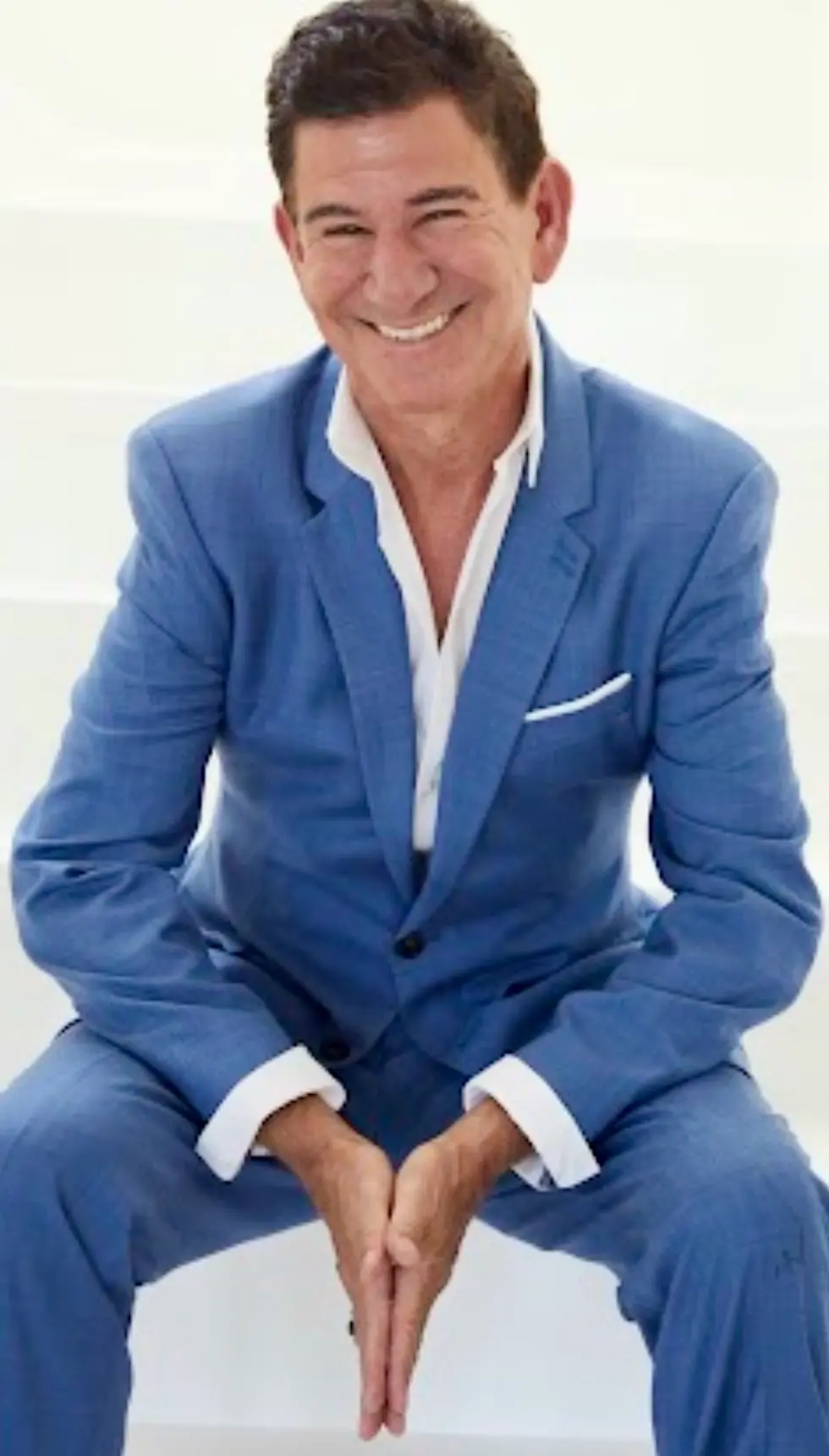
Tony Greenberg has spent twenty-five years at the intersection of technology, consciousness, and human potential. He is an investor in MycoMedica Life Sciences (Paul Stamets's patent portfolio company) and has spoken alongside Ray Kurzweil on the future of human augmentation. This essay draws on both scientific literature and personal experience with ceremonial and therapeutic contexts.