Farm Passports
Meet the people who grow your coffee. Every farm profiled here has been verified for transparency, fair labor practices, and environmental stewardship.
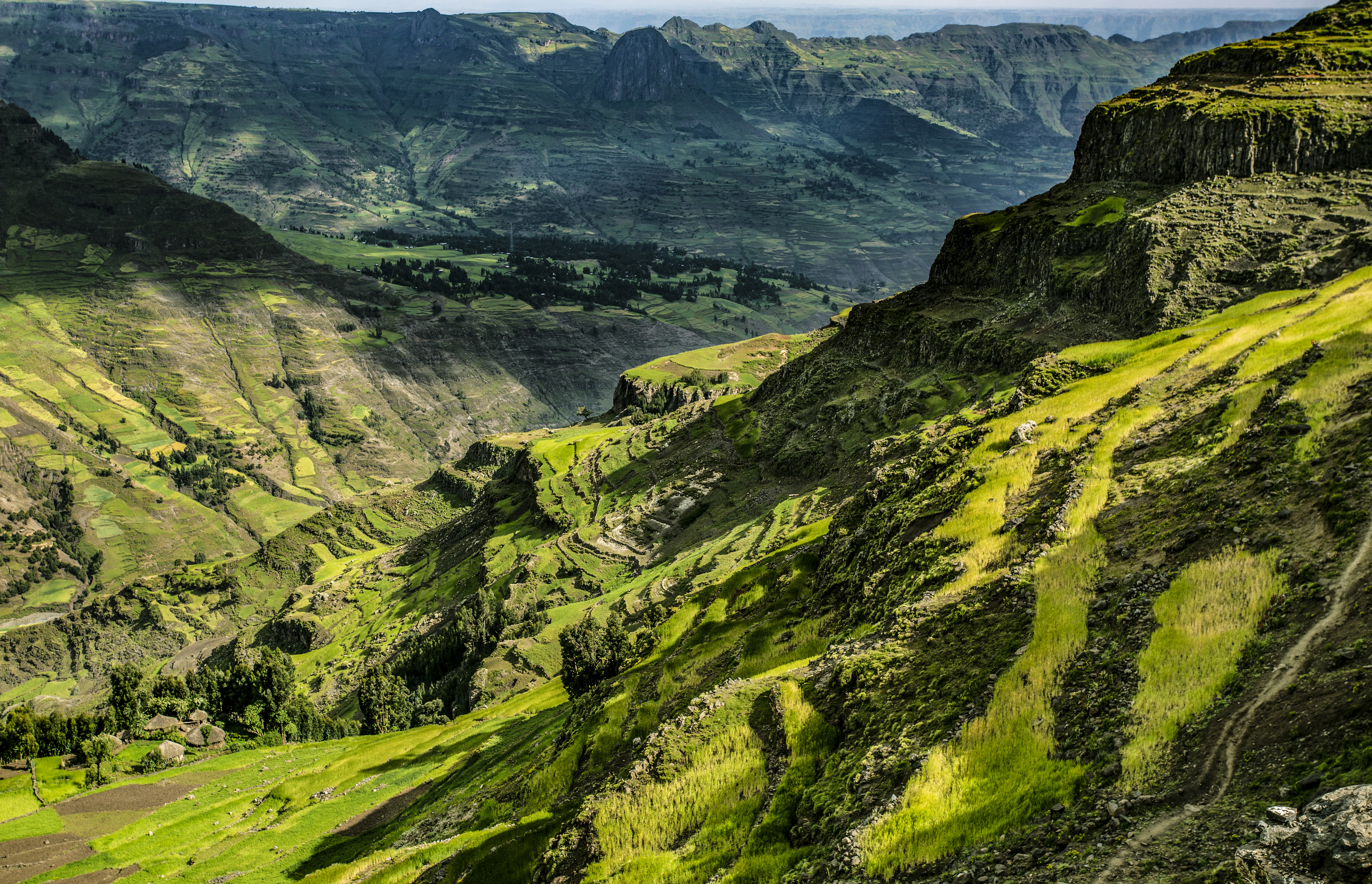
Gesha Village Coffee Estate
Founded in 2011 by Adam Overton and Rachel Samuel, Gesha Village is located in the Gori Gesha forest — the birthplace of the Gesha variety. The estate returned the world's most celebrated coffee variety to its ancestral home, proving that terroir matters more than technique.
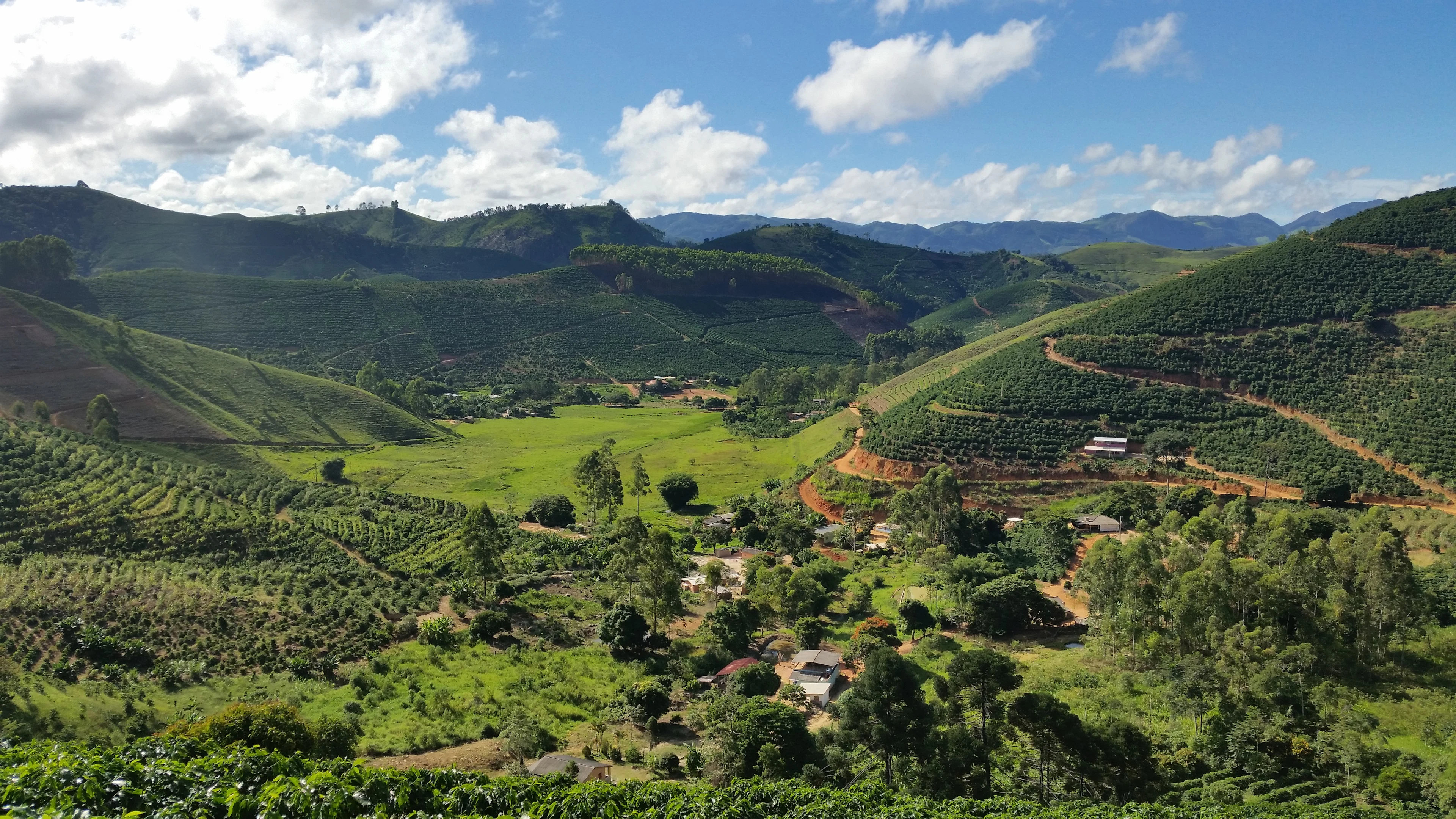
Finca Deborah
Jamison Savage doesn't just farm coffee — he composes it. Finca Deborah uses controlled fermentation environments to create flavor profiles that shouldn't be possible. His Aurora lot is a regular Best of Panama winner.
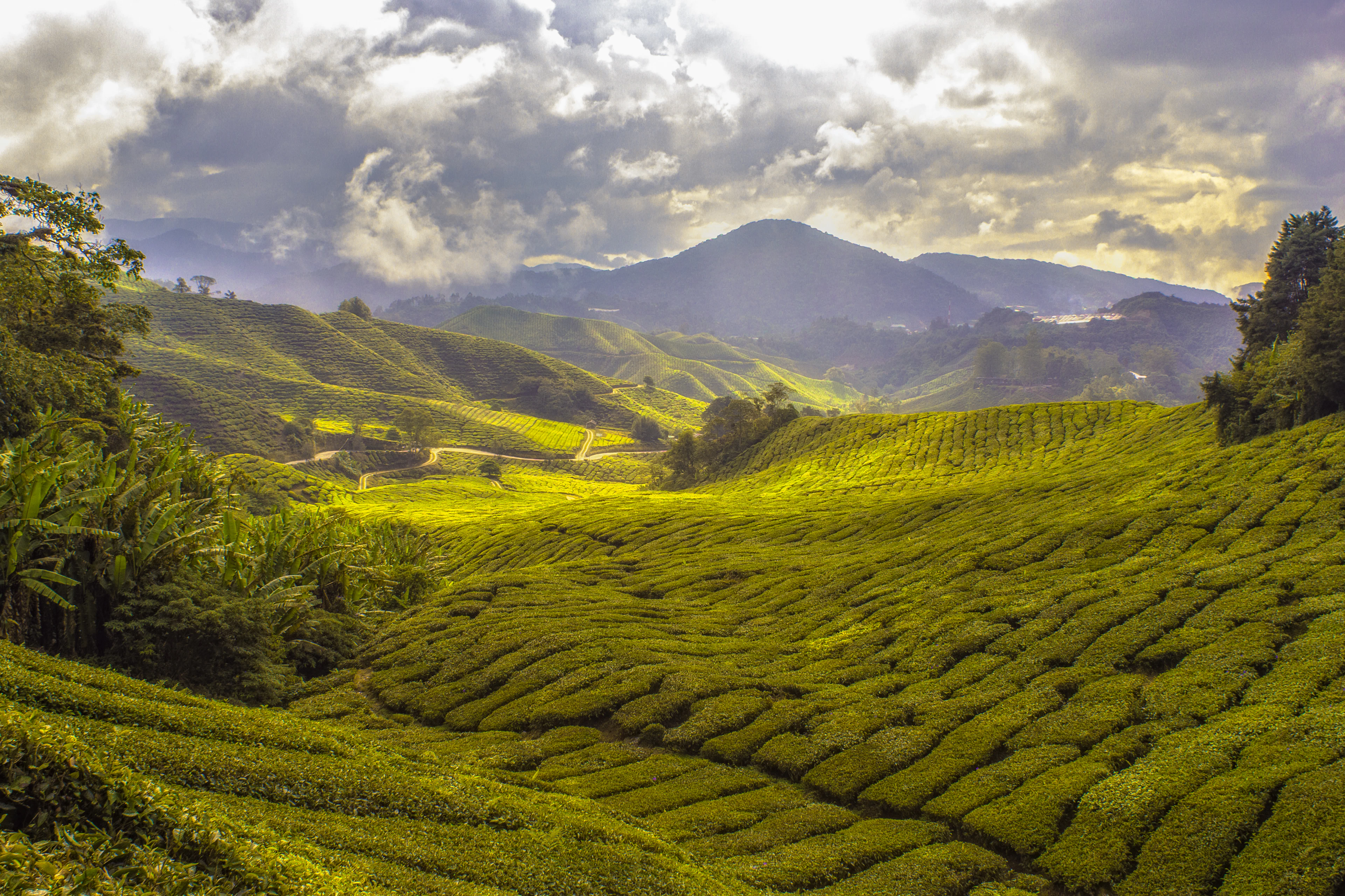
Elida Estate
The Lamastus family has been farming this land since the early 1900s. Wilford Lamastus Sr. transformed it into one of Panama's most celebrated estates. Their Catuaí natural proves that 'common' varieties can produce extraordinary cups.
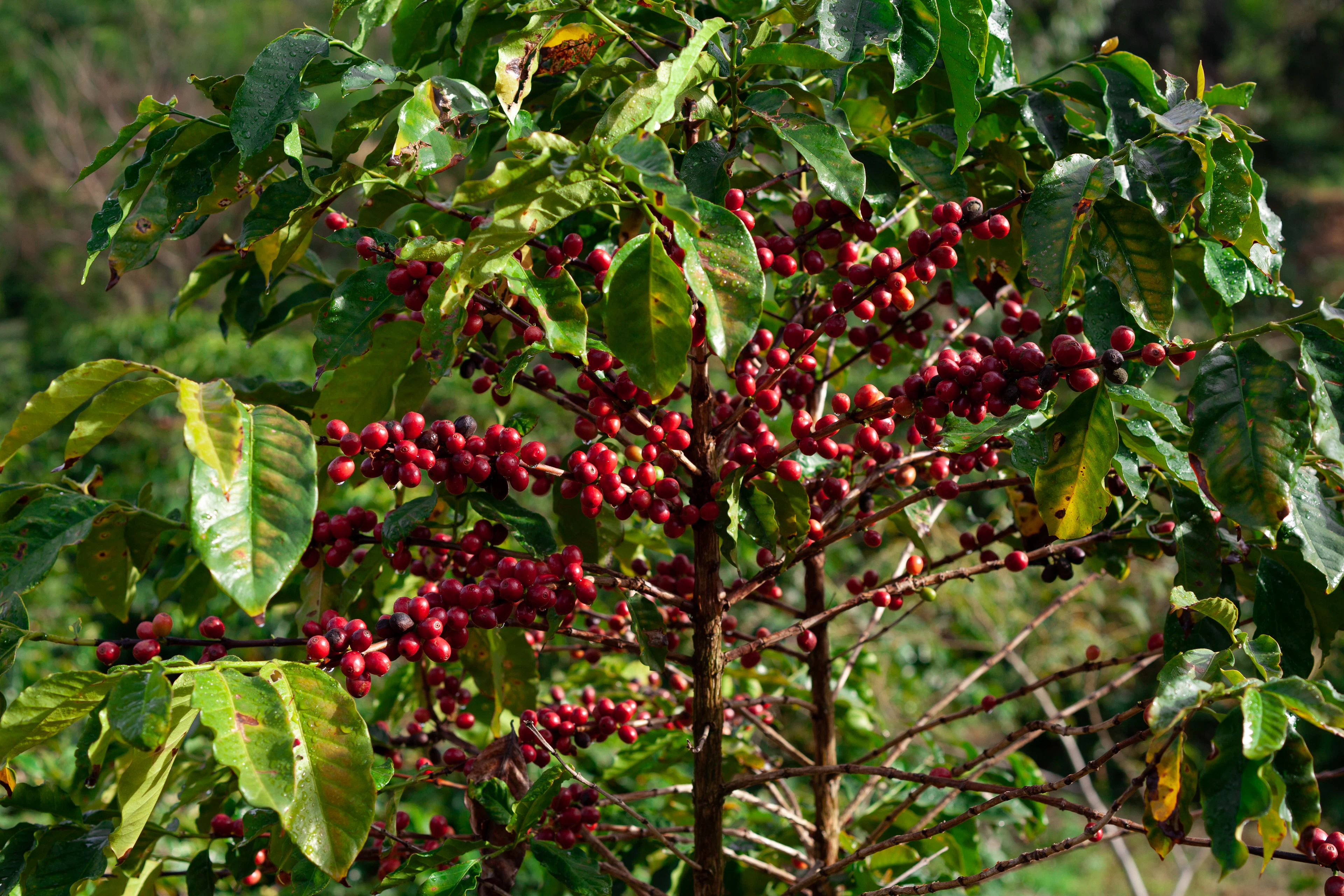
Finca Tamana
Tim Wendelboe has been buying from Elias Roa at Finca Tamana for over a decade — one of the longest direct relationships in specialty coffee. The farm is a model for what sustainable, equitable coffee sourcing looks like.
La Palma y El Tucán
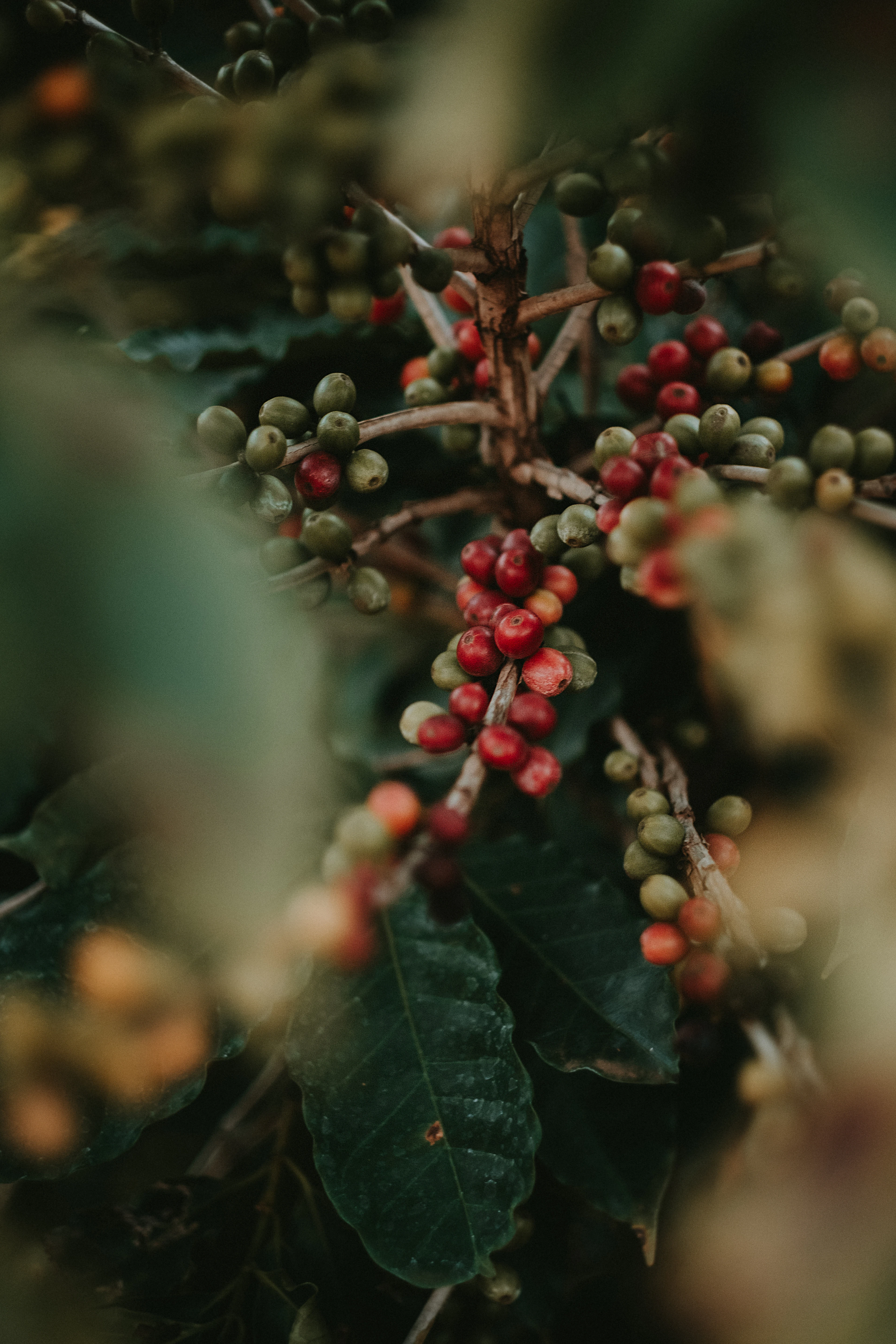
La Palma y El Tucán is Colombia's most innovative farm. Felipe Sardi's team experiments with fermentation protocols that push the boundaries of what Colombian coffee can taste like. Their Sidra lots are rewriting the rulebook.
Mamuto Estate
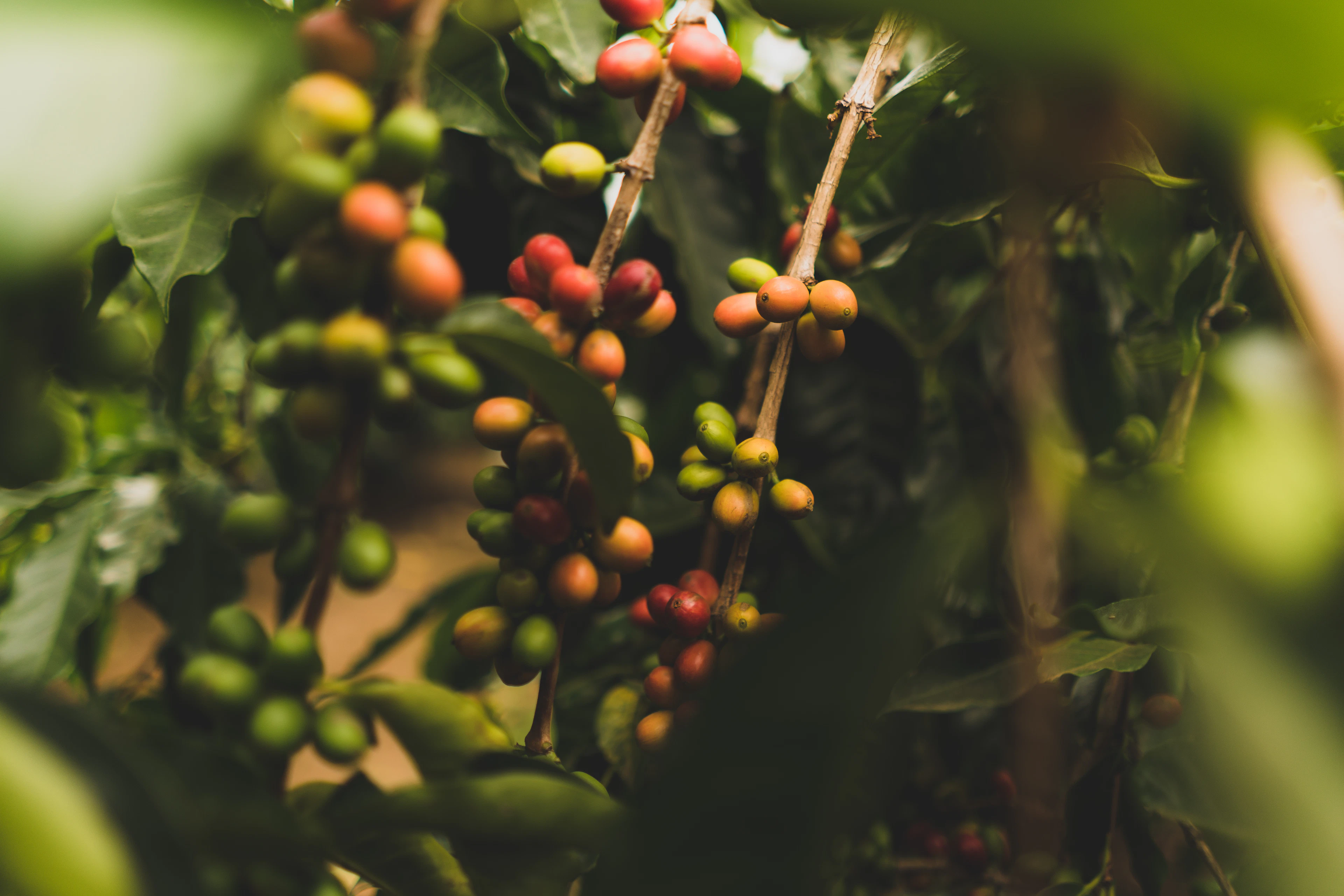
Mamuto Estate sits on the slopes of Mount Kenya, where volcanic soil and cool nights create the conditions for Kenya's legendary acidity. George Howell has been sourcing from here for years.
Buf Café Washing Station
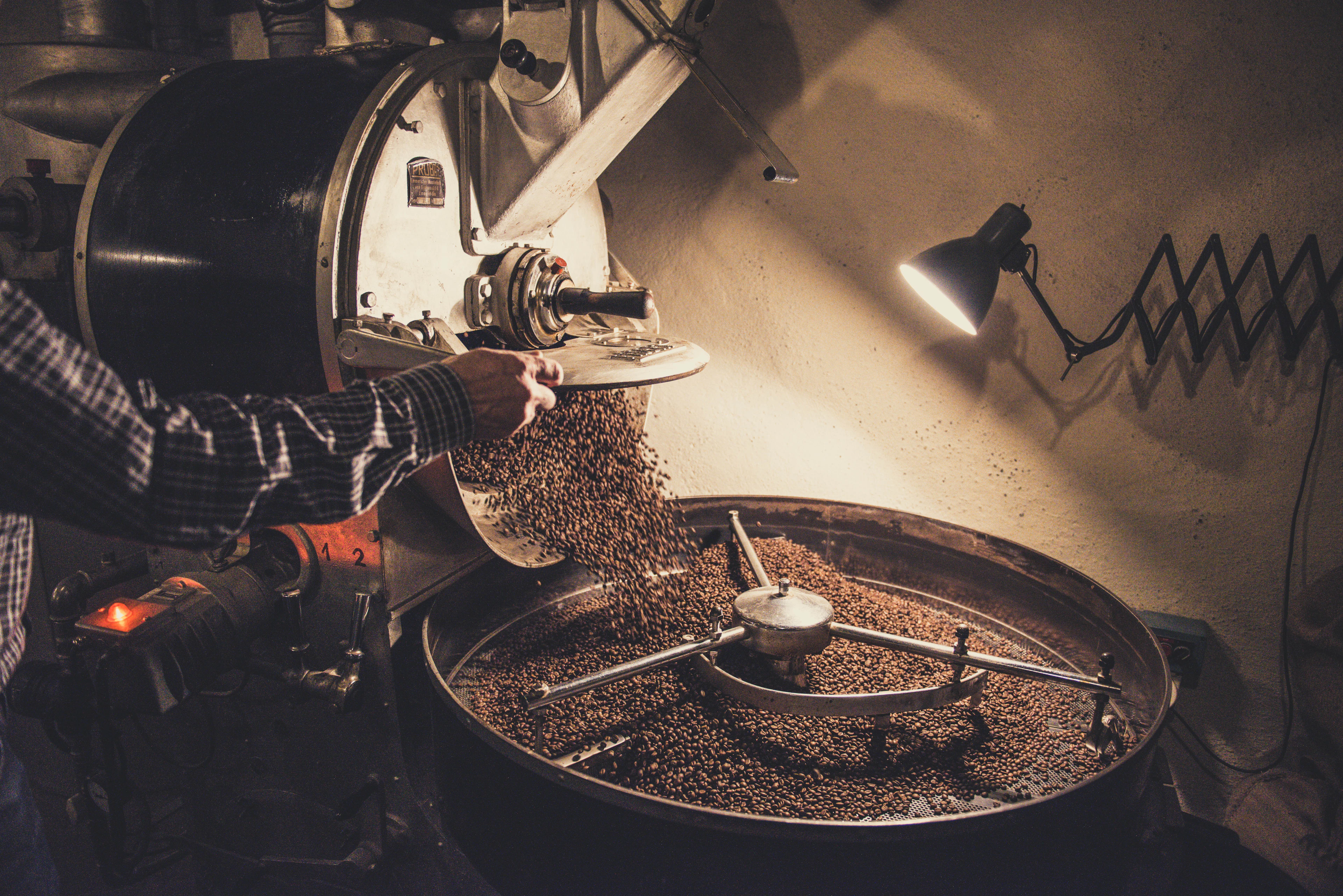
Buf Café is a model washing station in Rwanda's Nyamasheke district. It processes cherries from over 2,000 smallholder farmers, providing technical assistance and premium prices that have transformed the local economy.
Haraaz Mountain Terraces
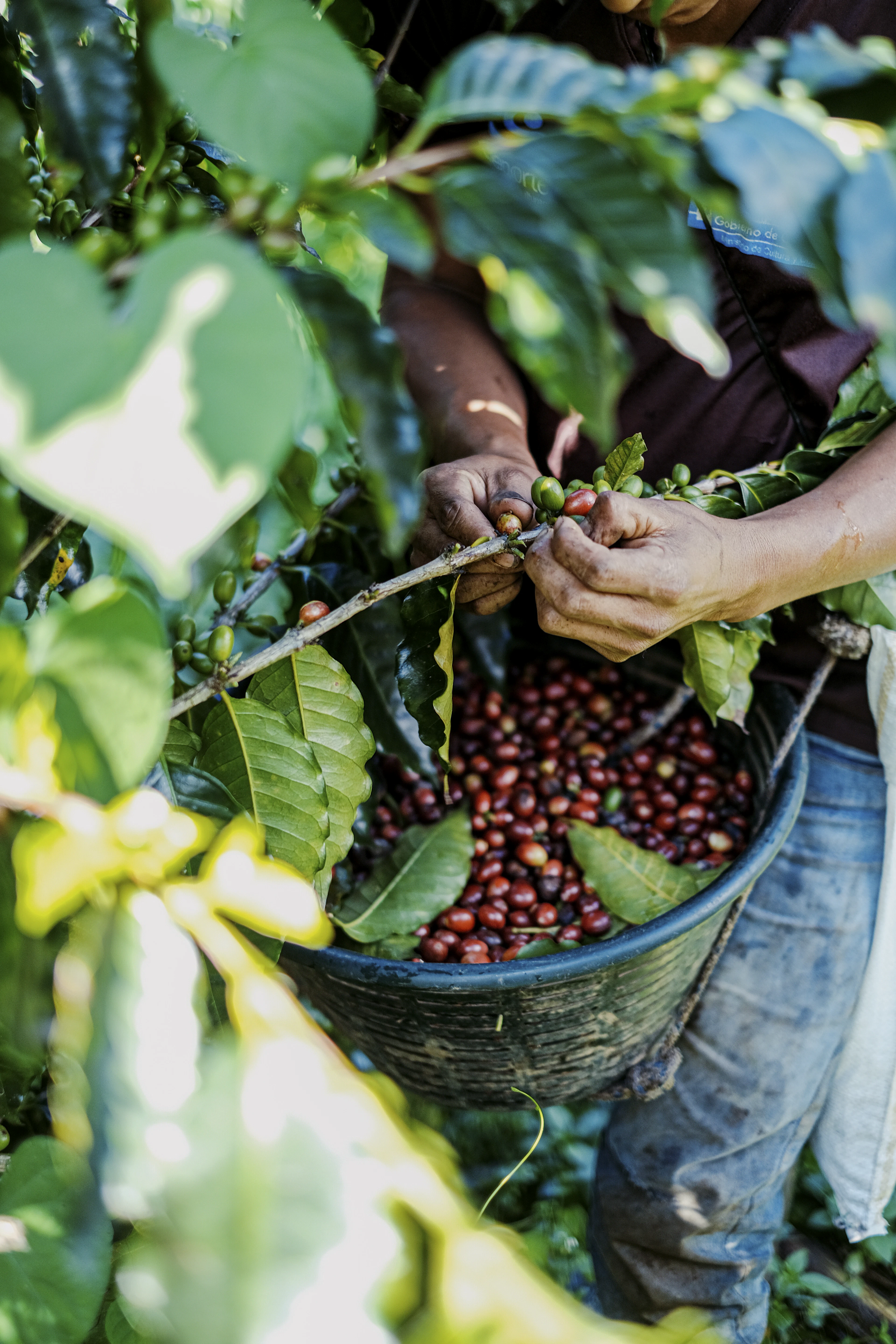
Coffee was born in Yemen. The Haraaz Mountains have been growing coffee for centuries on ancient stone terraces. Every lot is hand-picked, sun-dried on rooftops, and processed using methods unchanged for generations. Buying Yemeni coffee directly funds farmers in an active conflict zone.
Kochere Cooperative
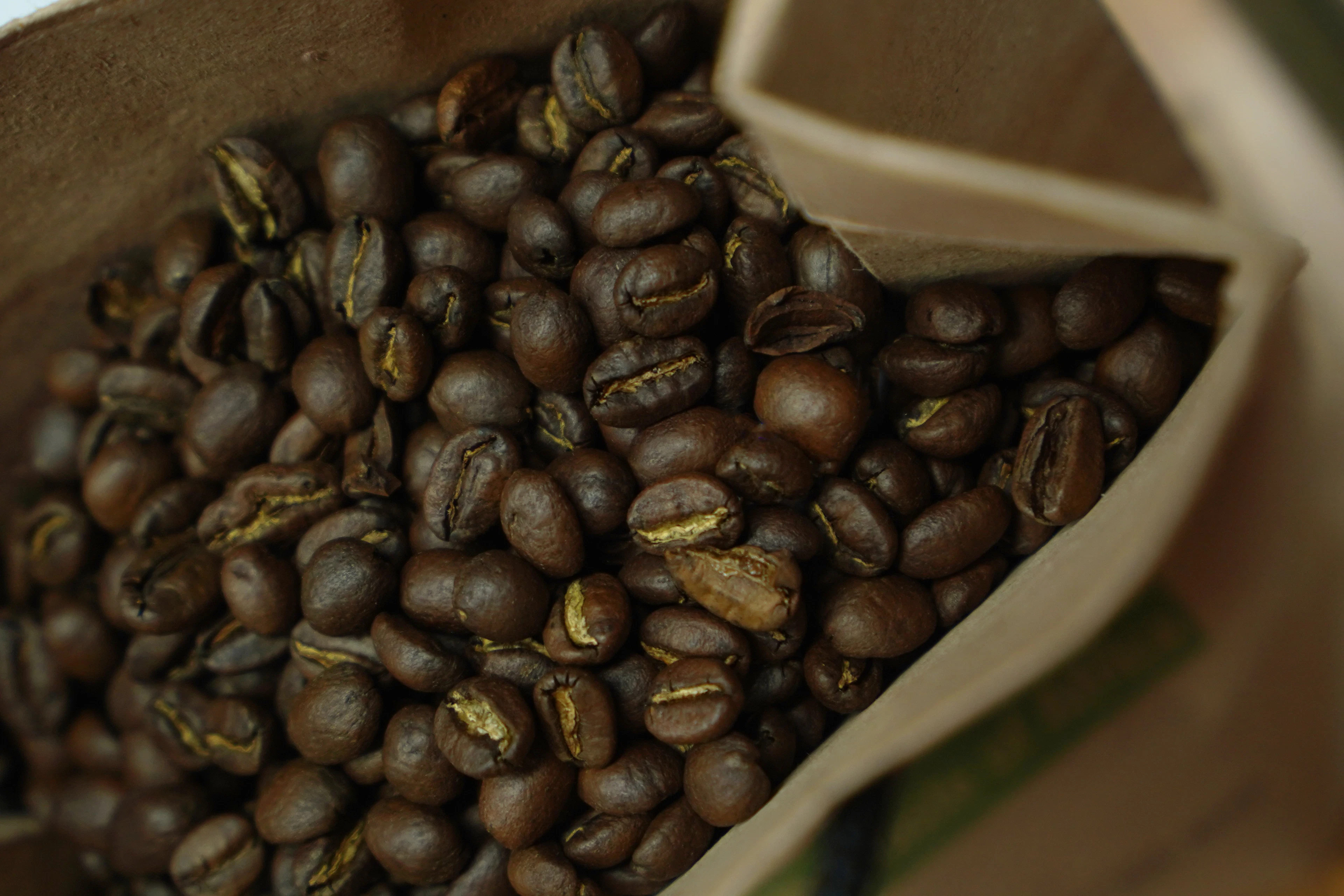
Kochere is the benchmark for washed Ethiopian coffee. The cooperative processes cherries from thousands of smallholder farmers, each contributing tiny lots that are blended into some of the most consistently excellent washed Ethiopians on earth.
Gayo Highlands Cooperatives
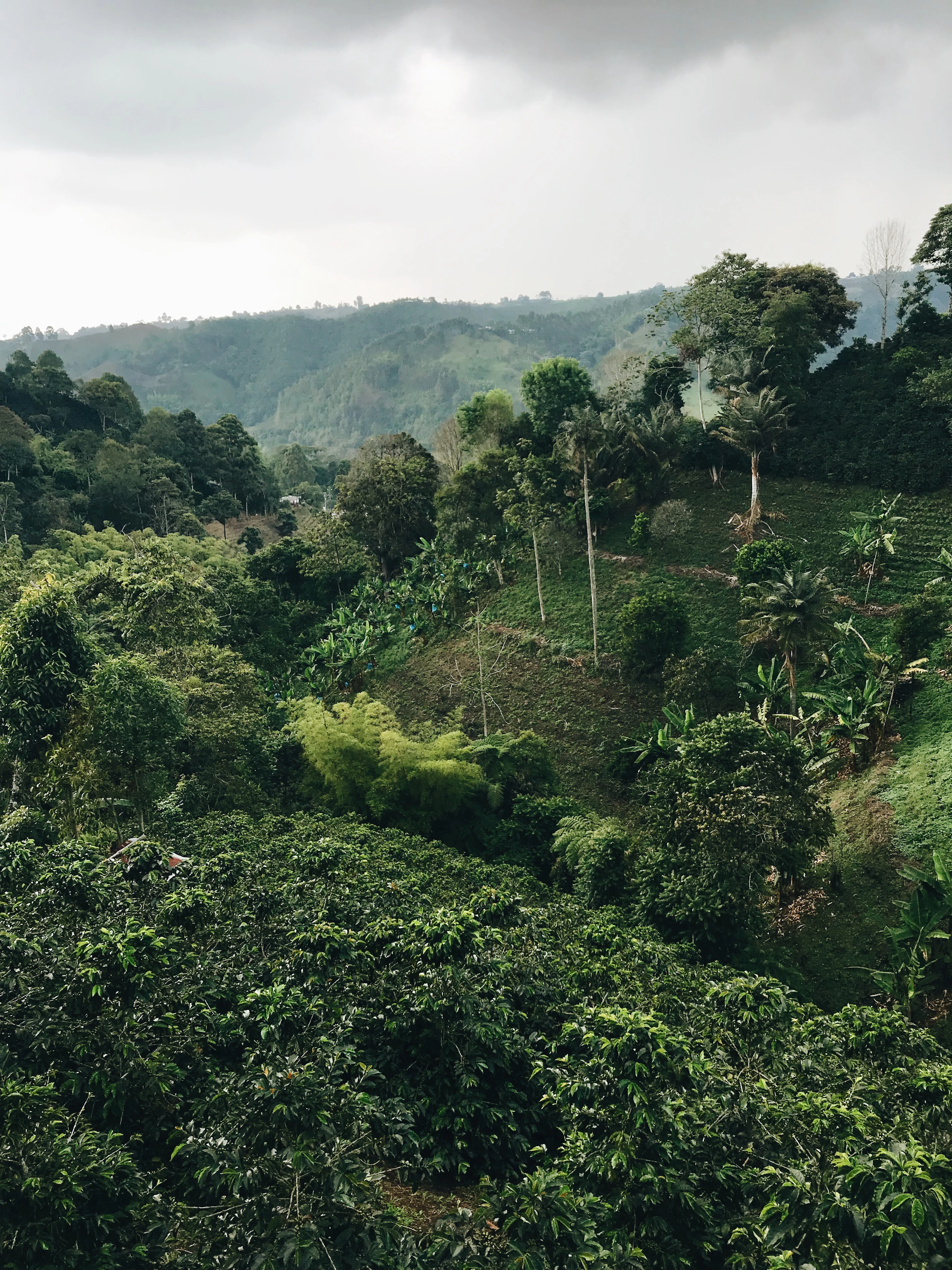
The Gayo Highlands of Aceh produce Indonesia's most celebrated Arabica. The wet-hulled process (Giling Basah) creates the earthy, herbal, full-bodied profile that defines Sumatran coffee. It's polarizing — and that's the point.